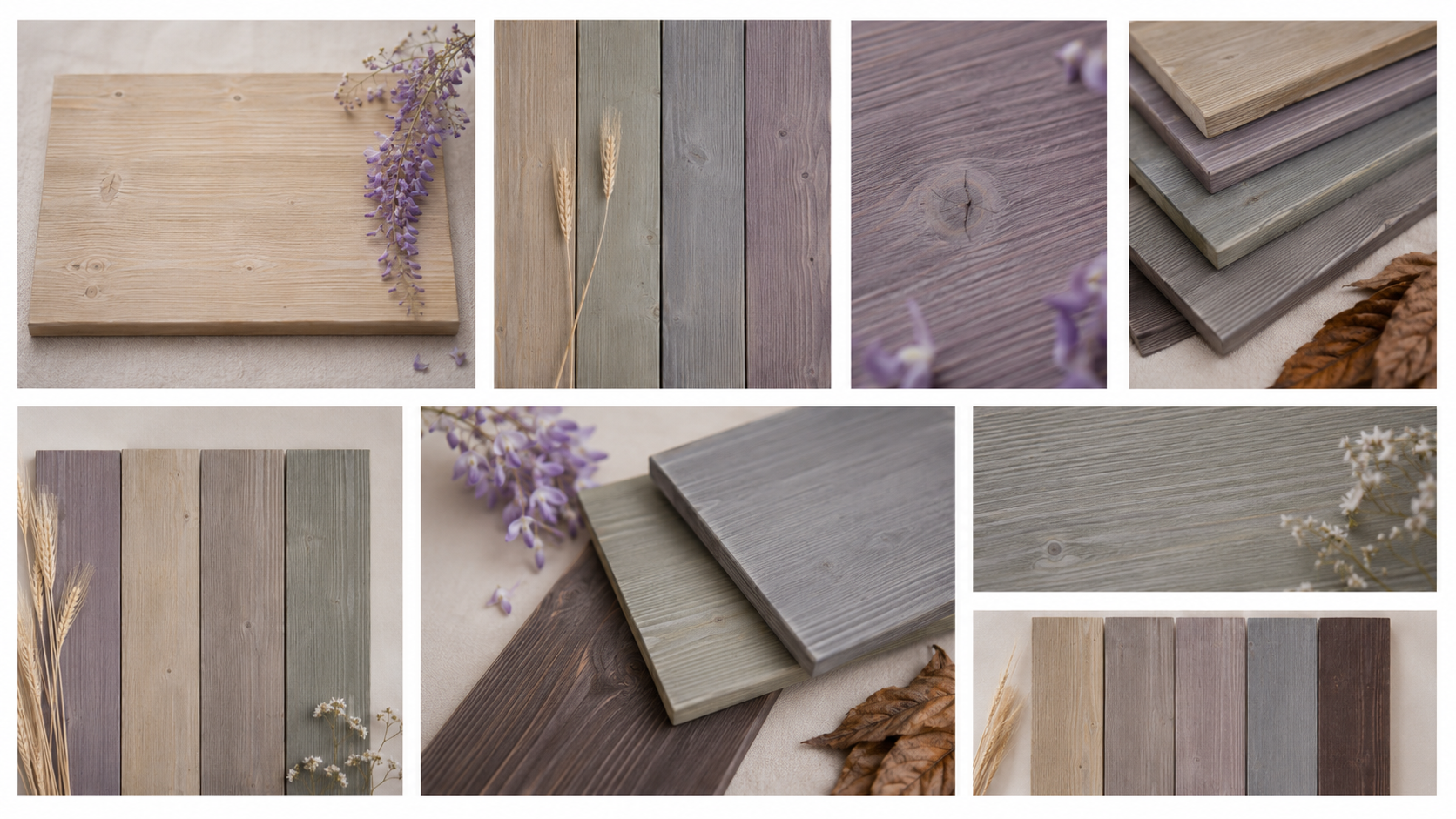
Antiche Armonie: wood stain for surfaces that should look refined
How to create a calm aged-wood effect without rough artificiality: transparent stain, brushing, and the right finishing cycle.
Colour that sets the mood of the surface
In wood finishing, colour can flatten the surface or reveal its character. A standard stain gives a shade; Antiche Armonie helps create a surface with age, texture, and a quieter interior tone.
Antiche Armonie is a series of ready-to-use solvent-based stains for decorative interior wood finishing. Its role is not to repaint the wood aggressively, but to create a refined aged-surface effect while preserving transparency and the natural texture of the material.
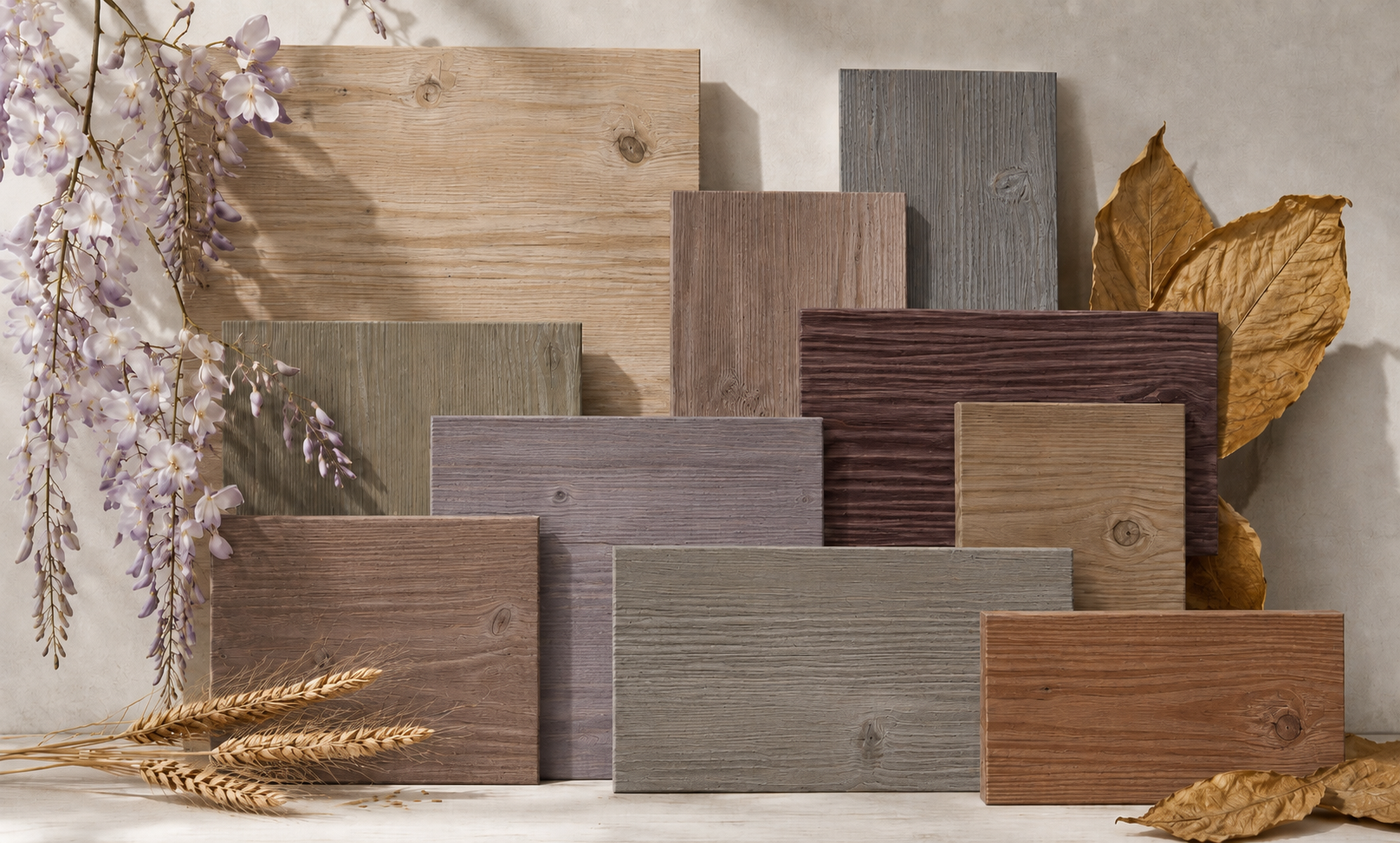
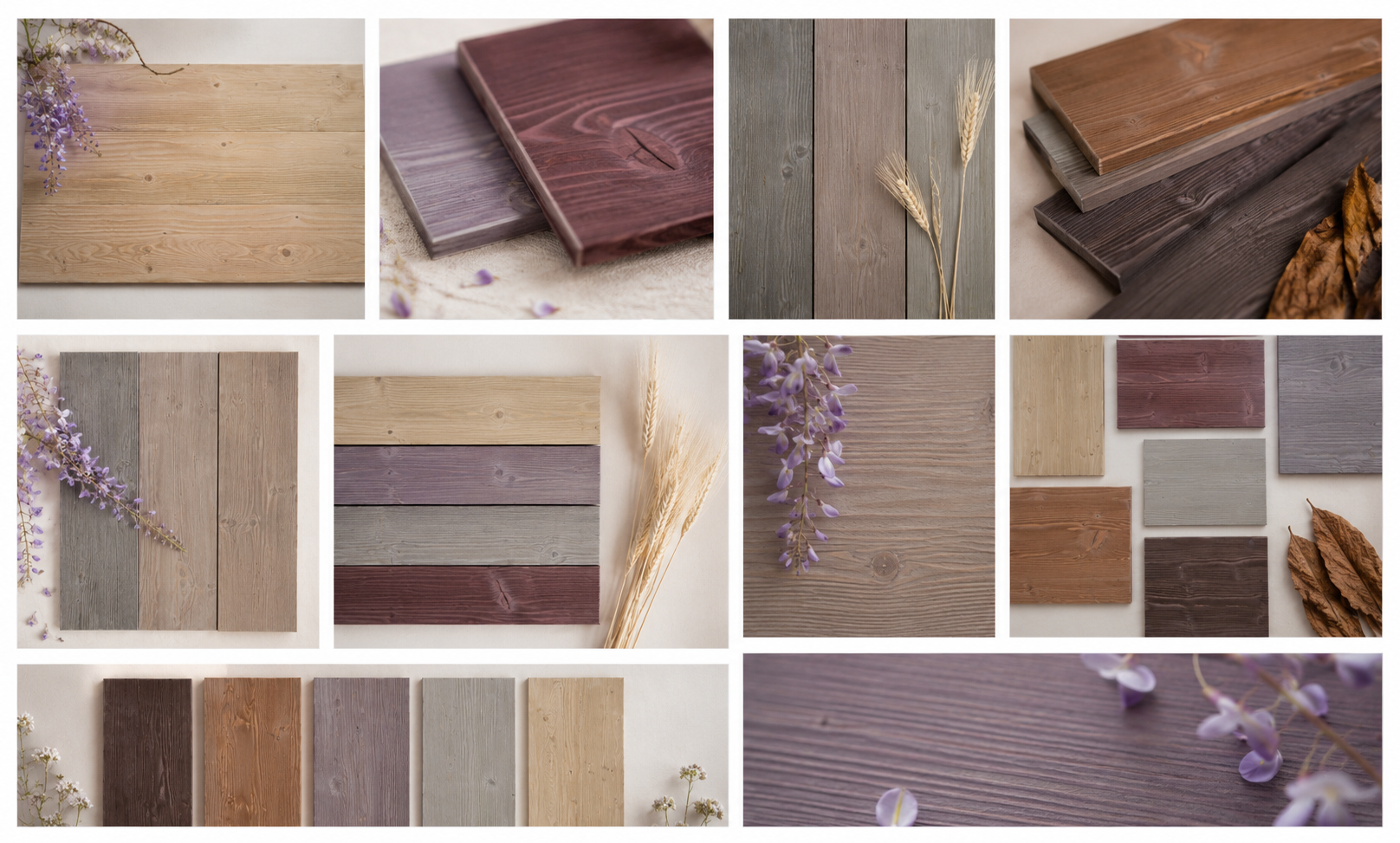
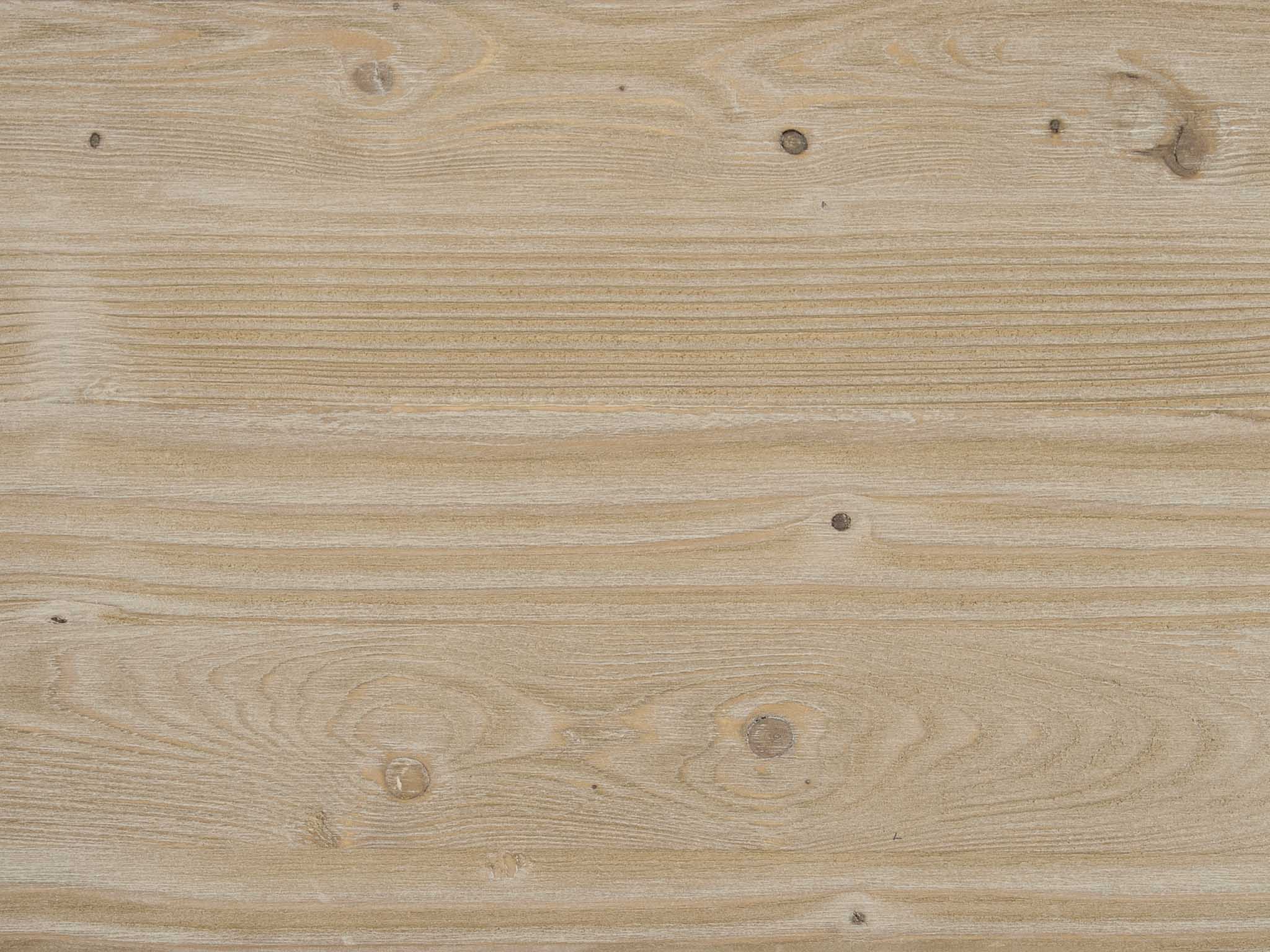
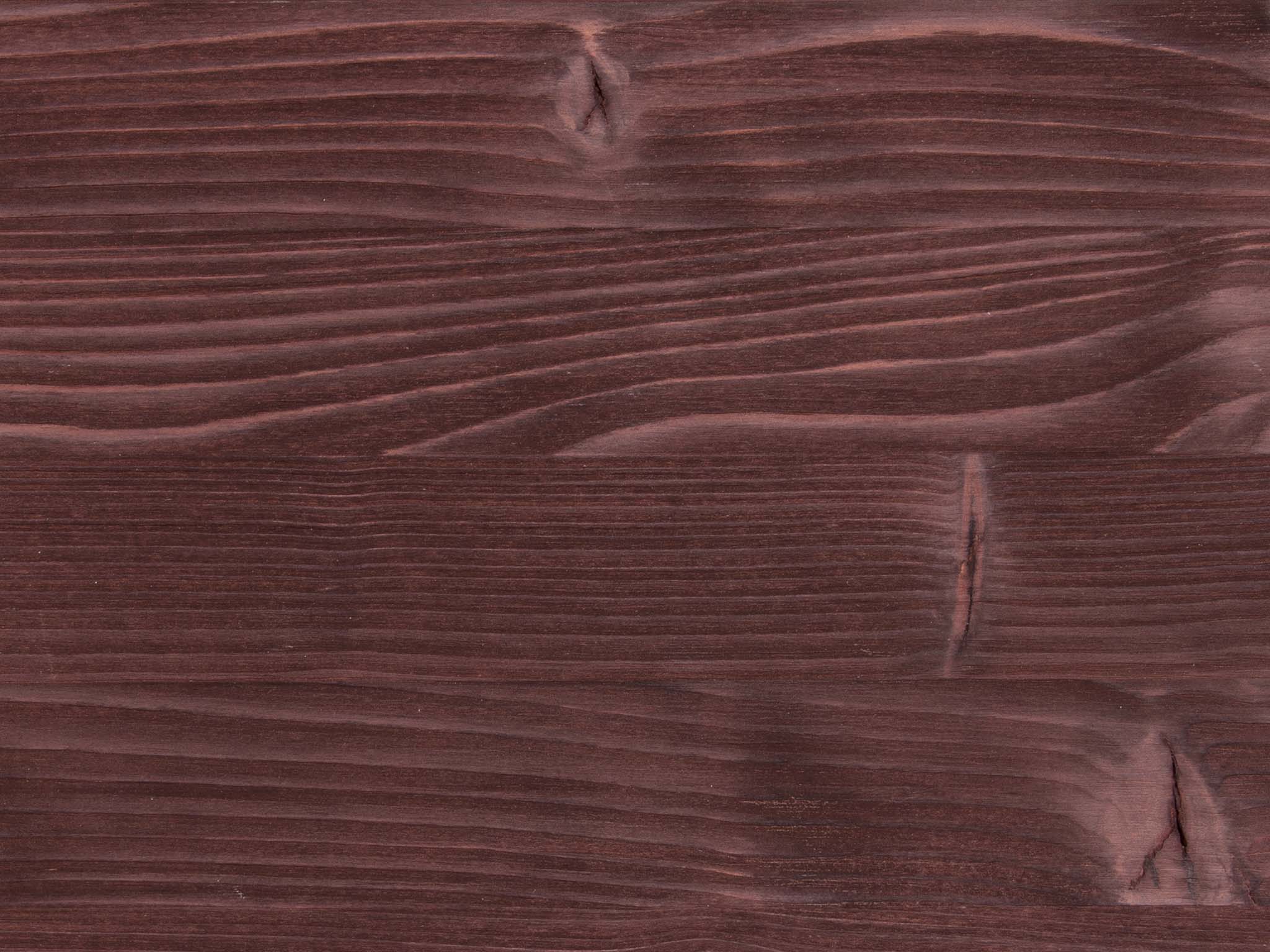
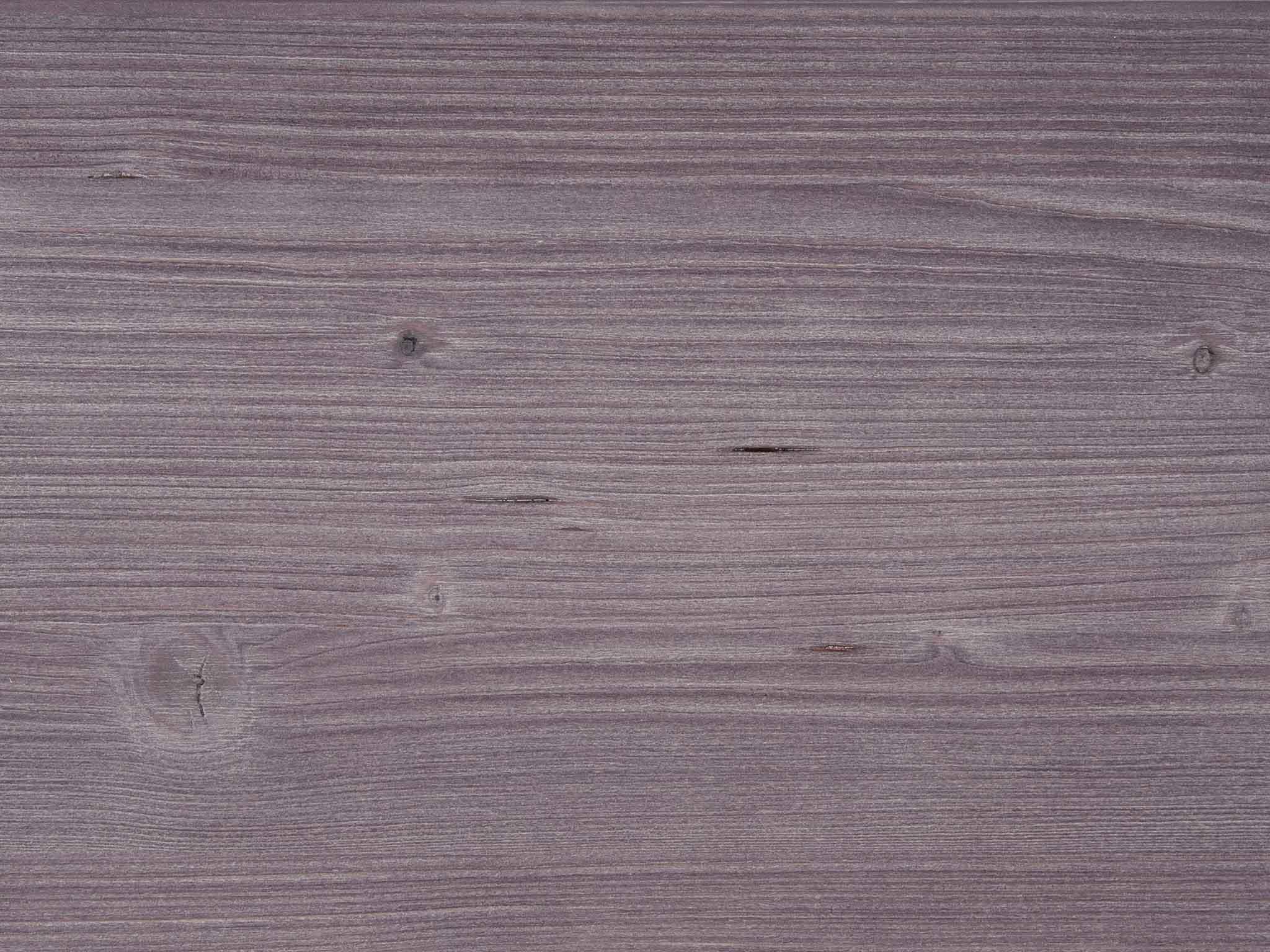
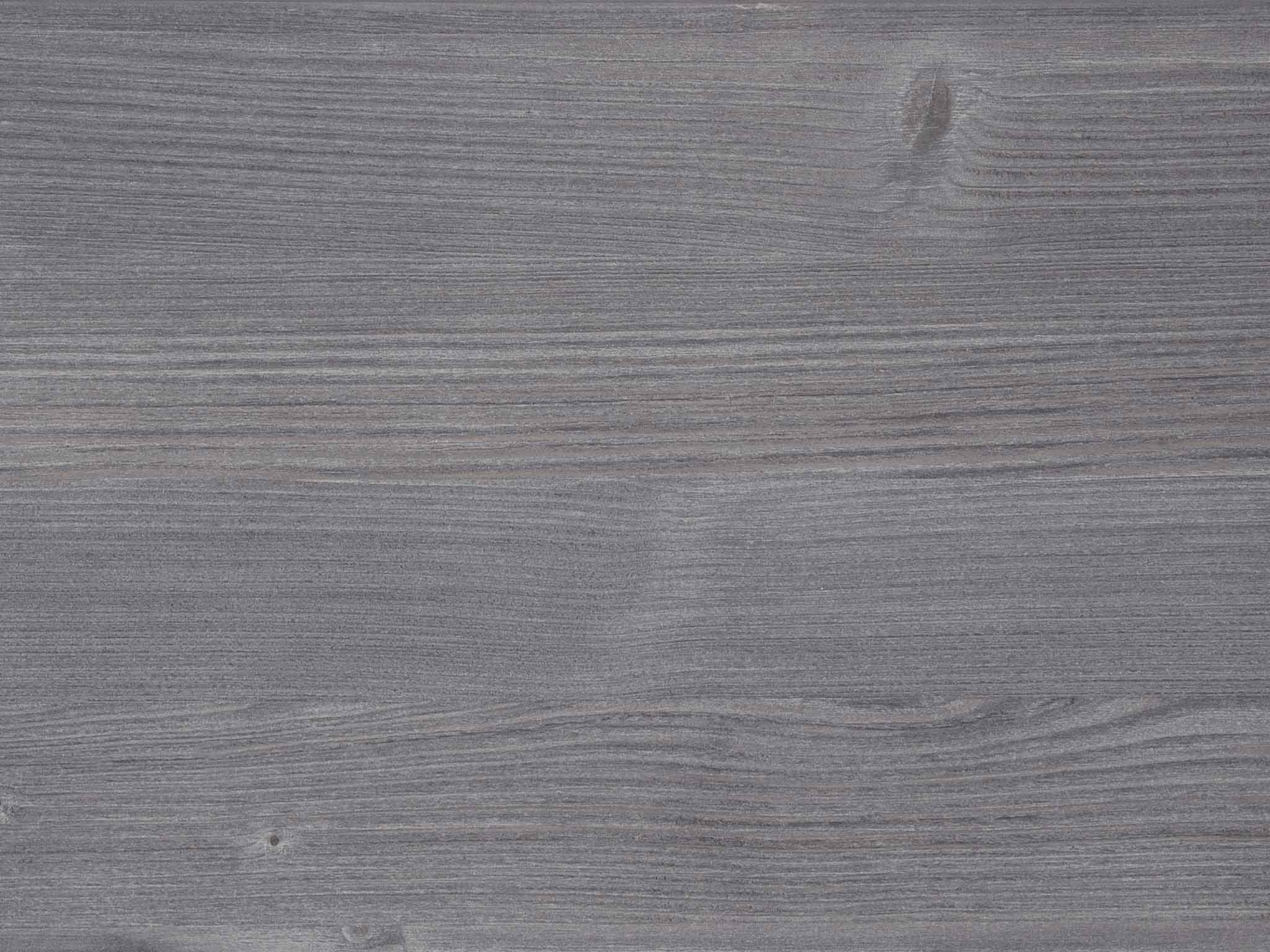
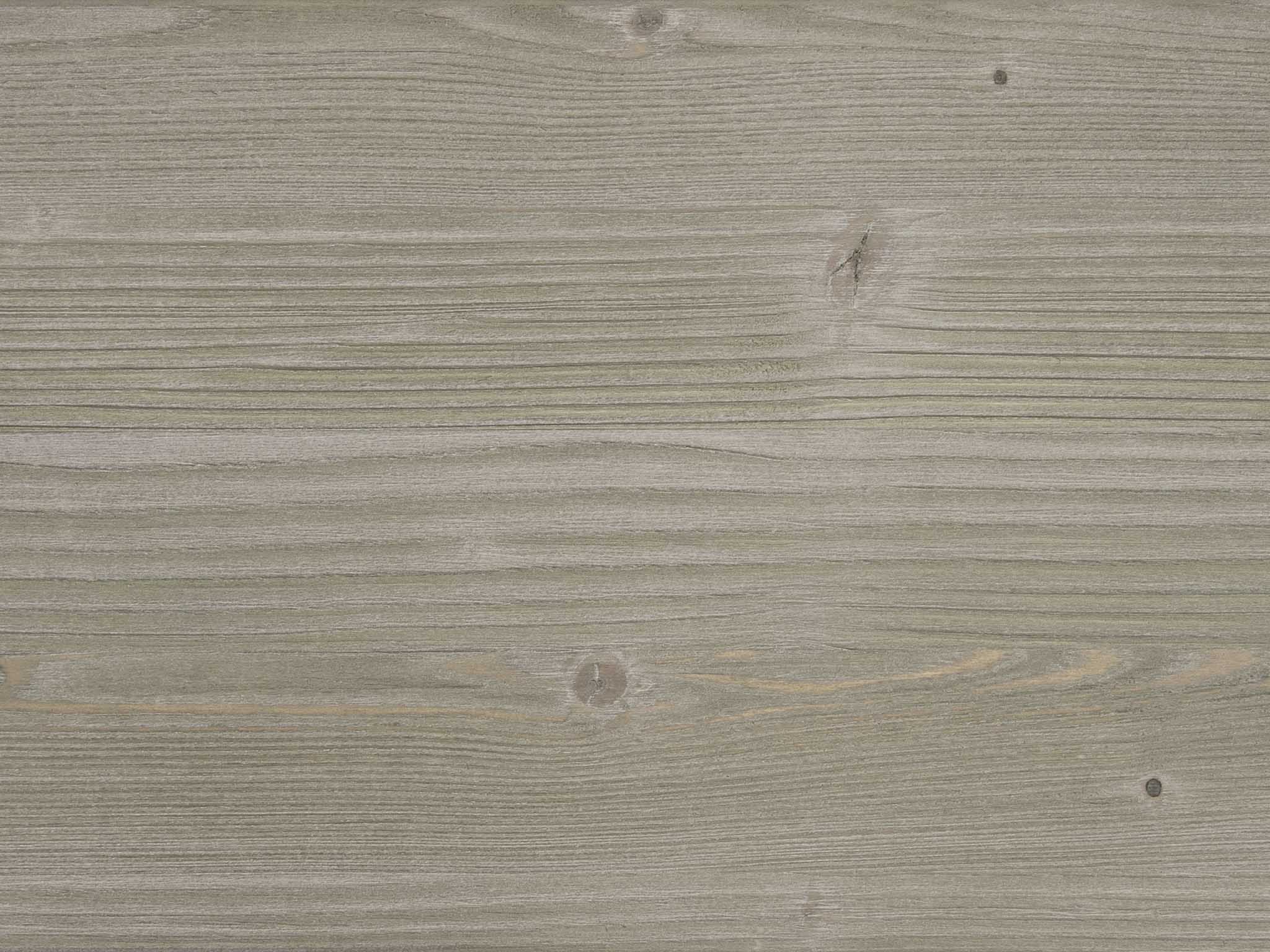
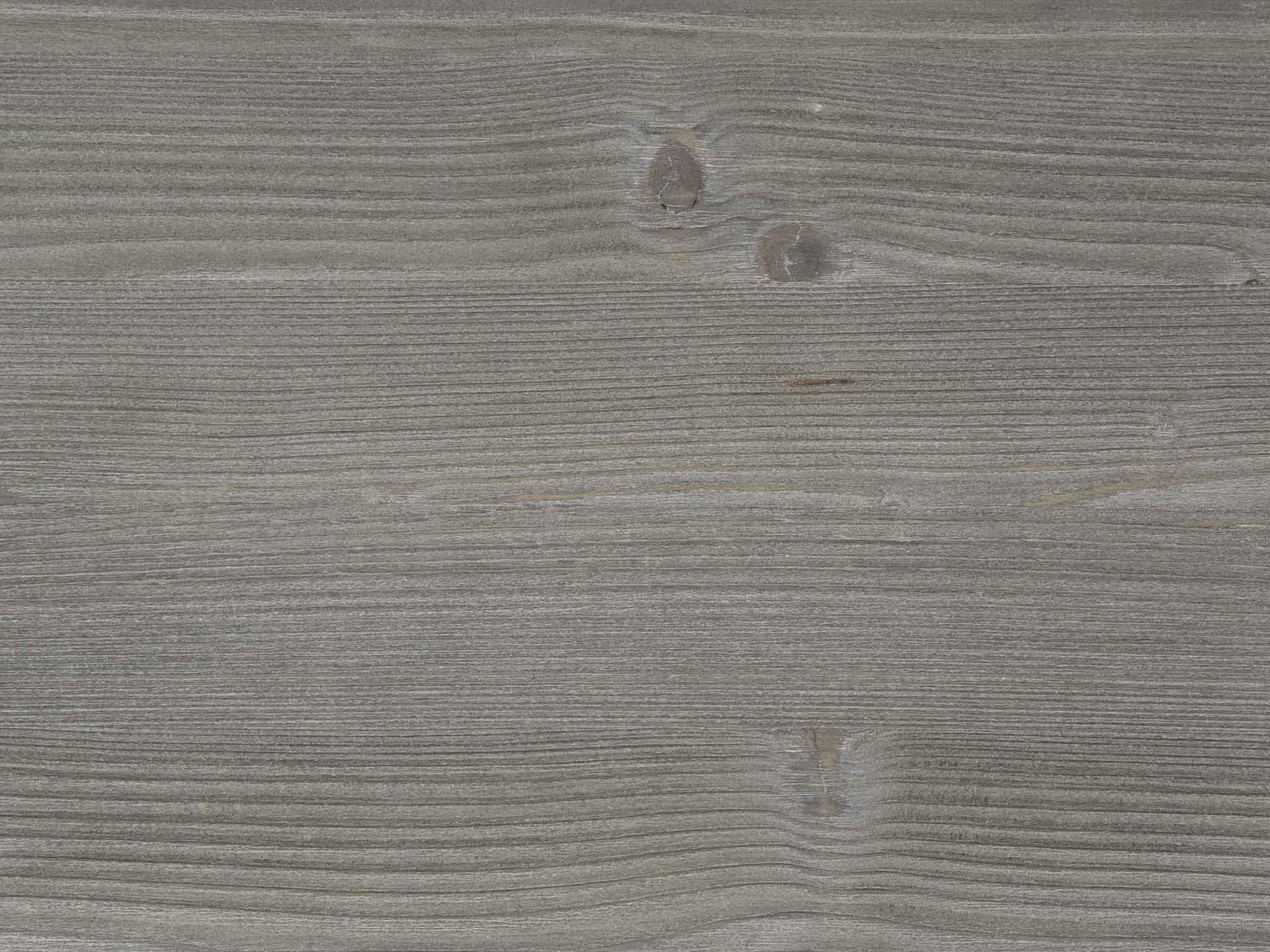
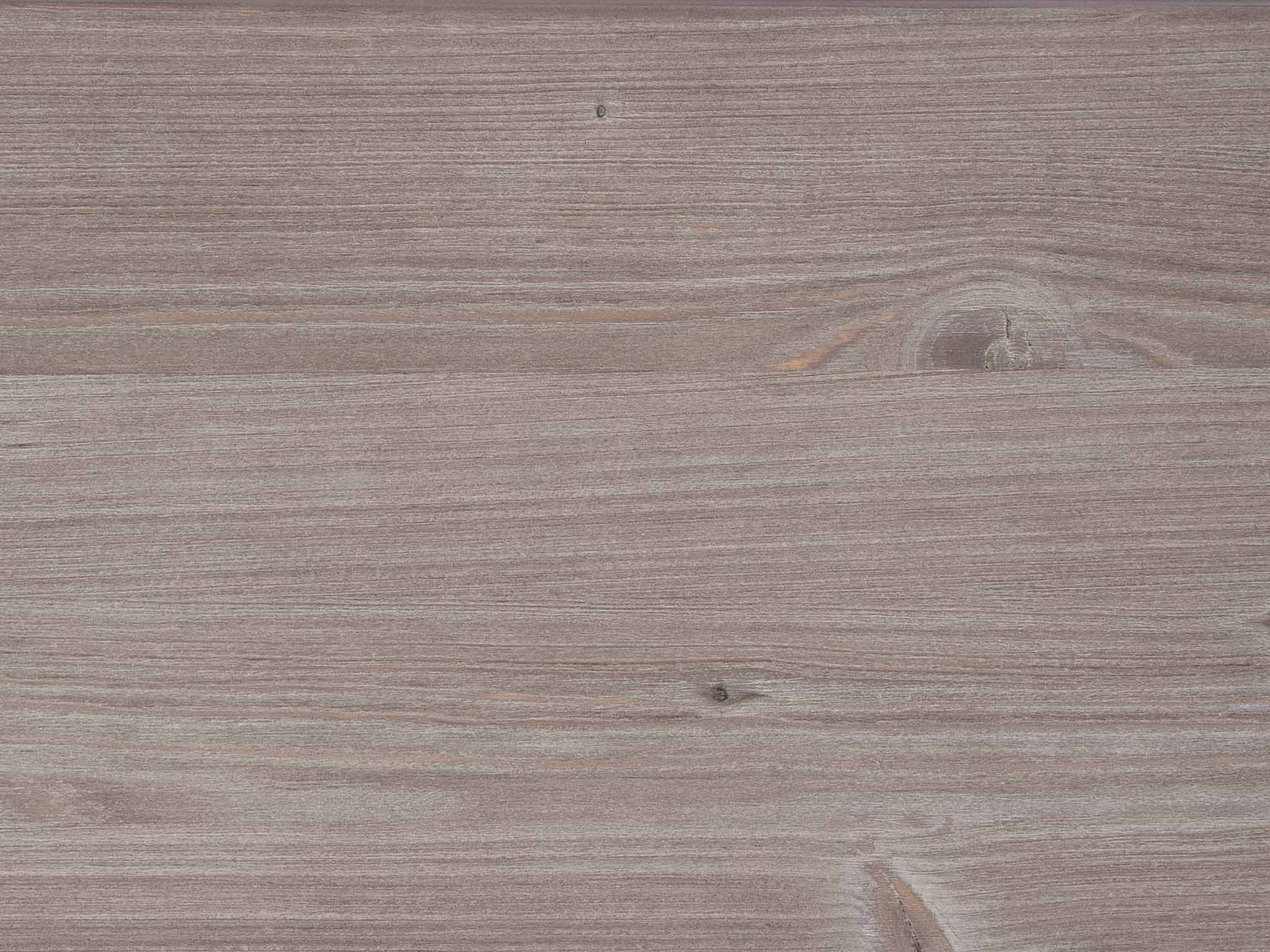
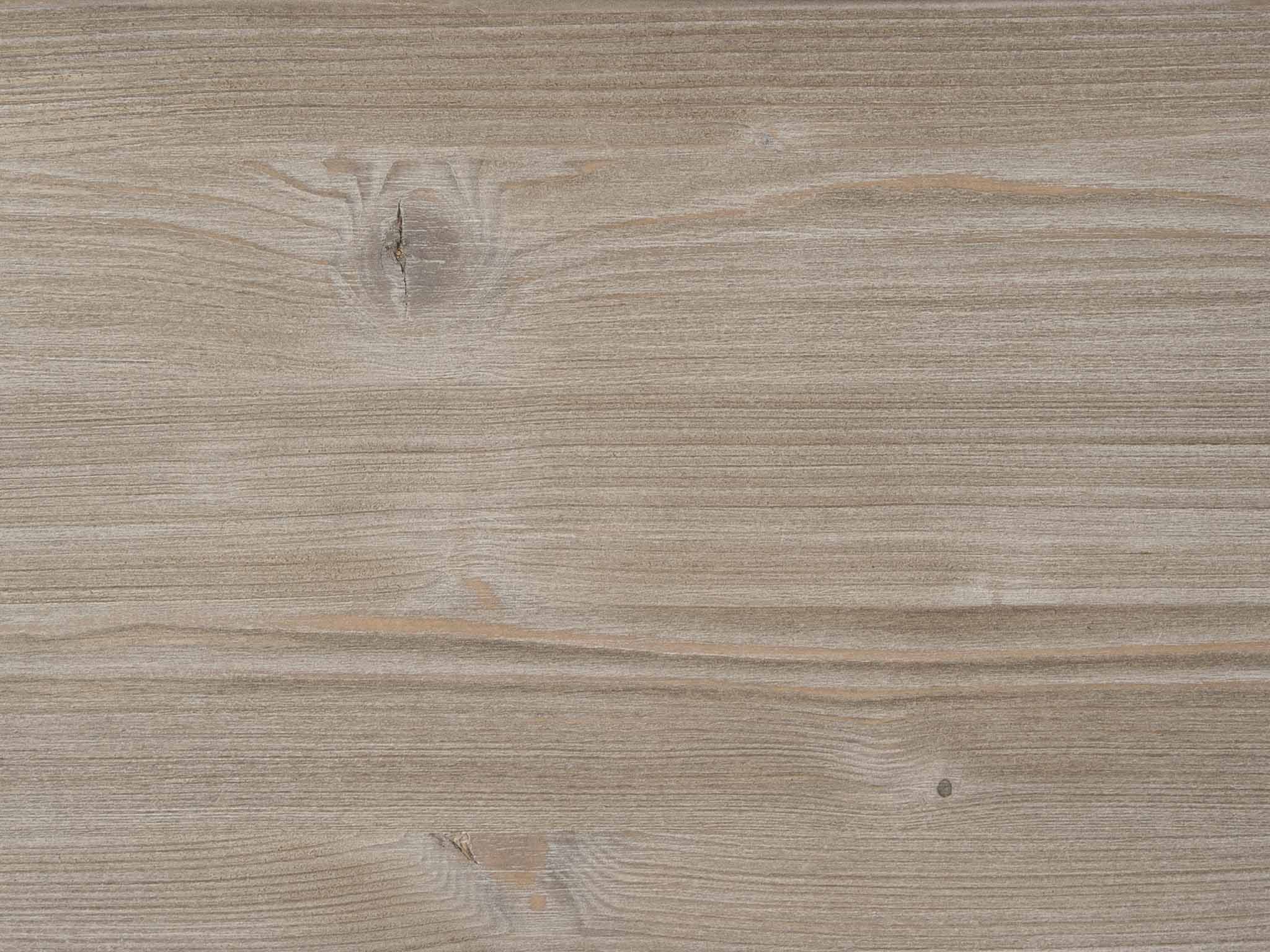
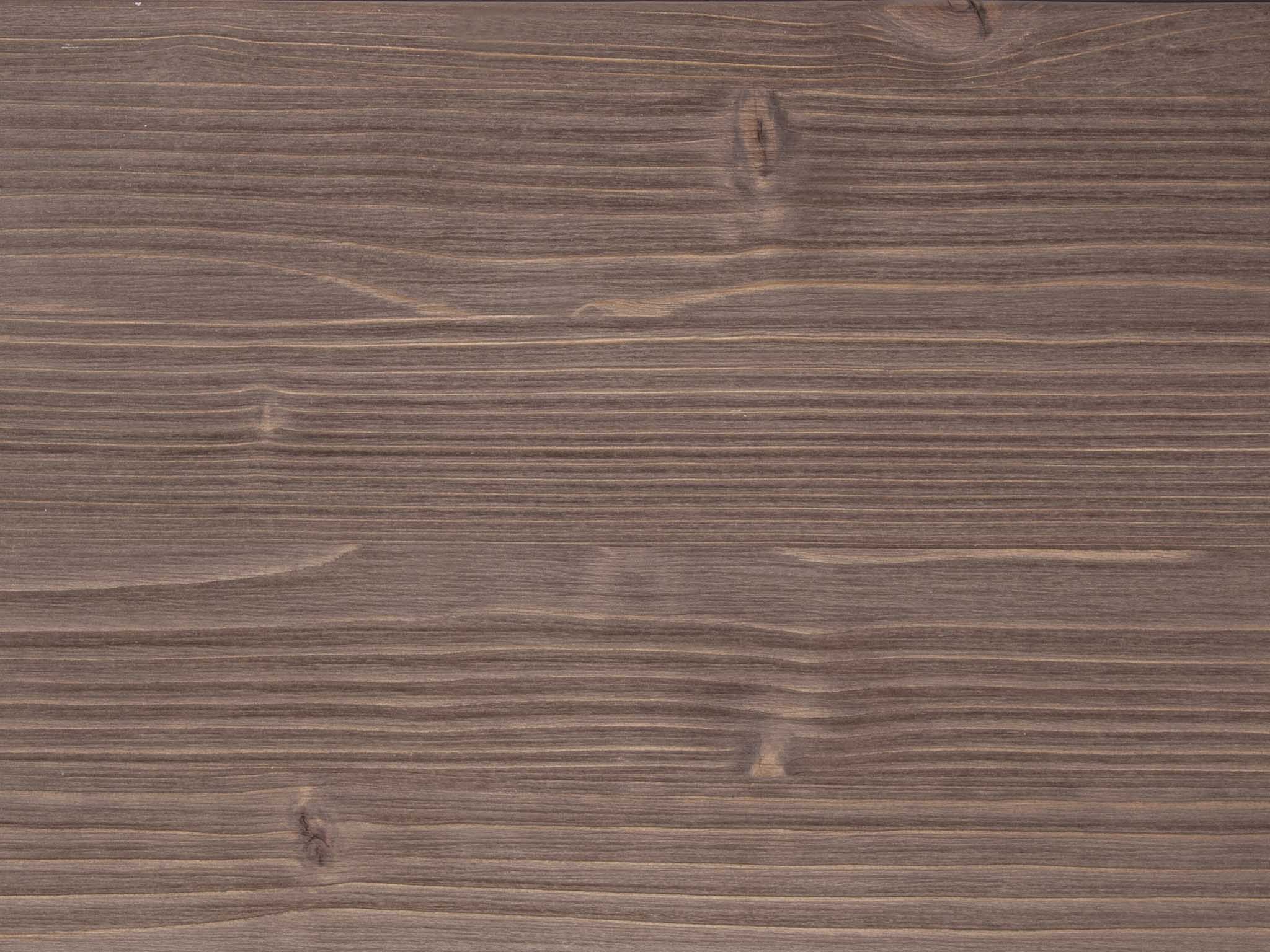
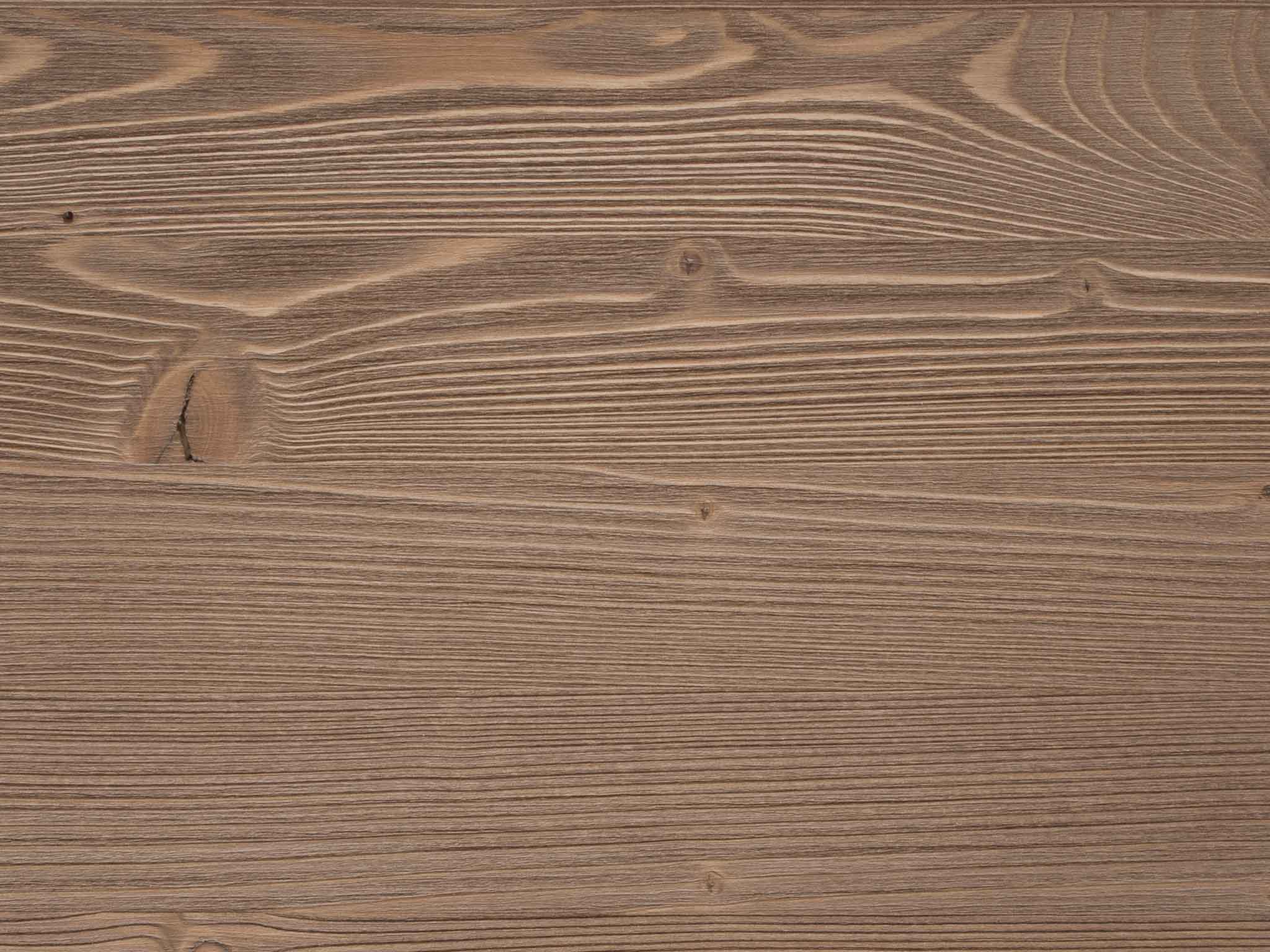
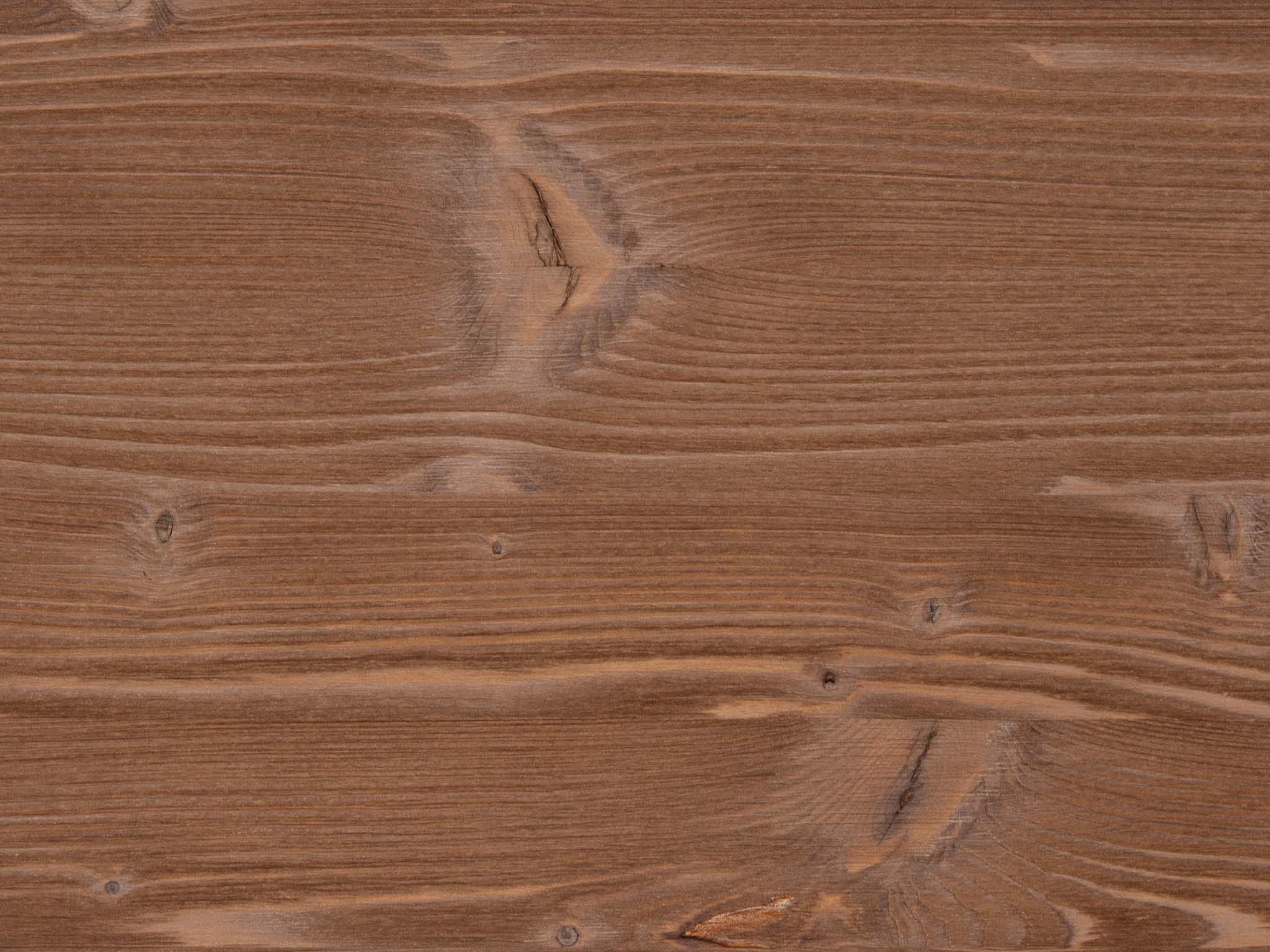
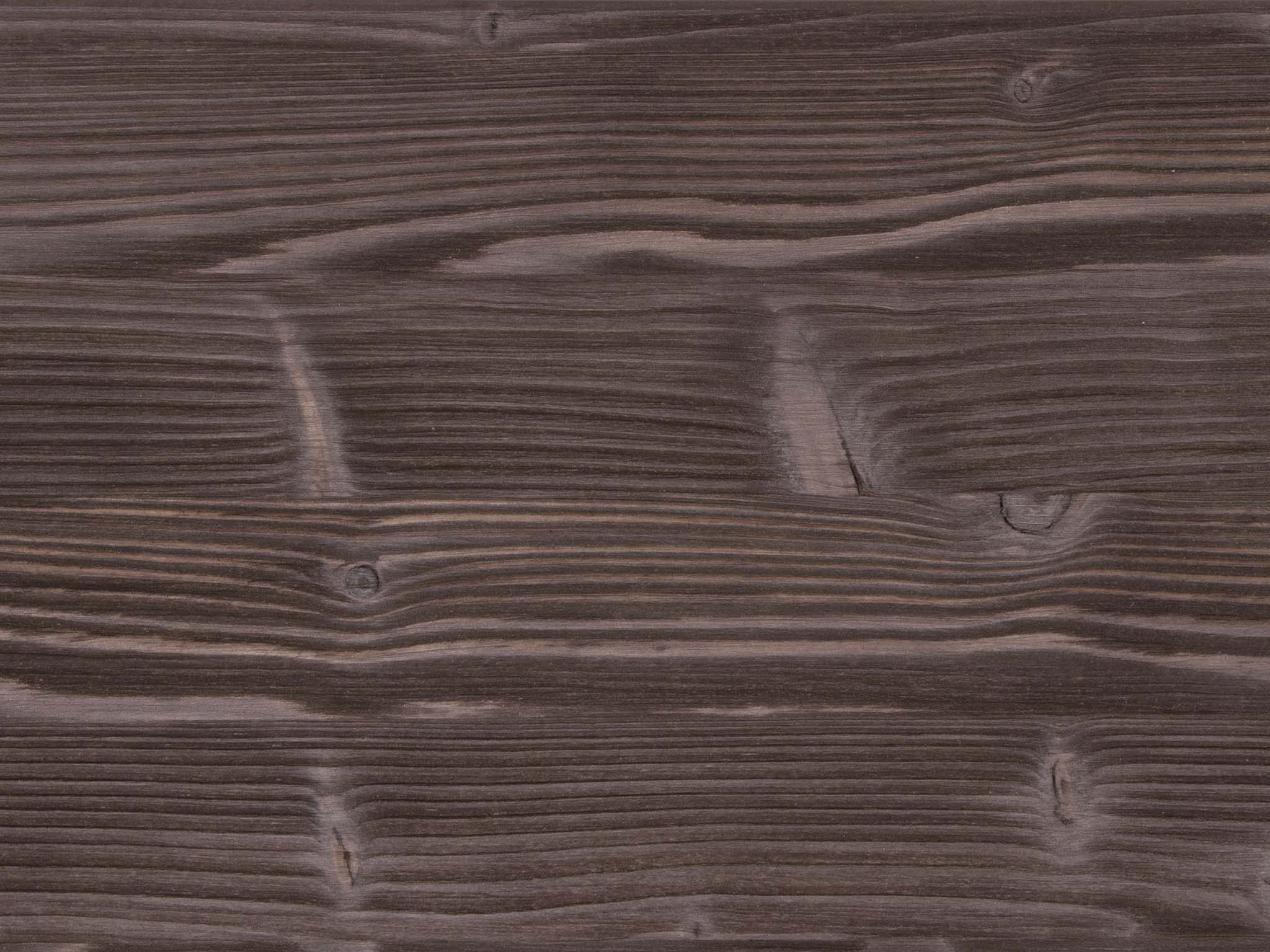
Antiche Armonie gives interior wood a calm aged tone while keeping the grain readable. The series suits decorative work where the surface needs depth, softness, and a refined natural mood.
Why this matters for manufacturers
The market is full of similar shades. When a manufacturer shows a standard stain catalogue, the discussion quickly turns into comparison: who is cheaper, who is faster, who has a similar colour.
An effects palette gives the manufacturer stronger positioning. The customer sees a designed surface with texture, depth, and a repeatable mood for the project.
Where to use Antiche Armonie
Furniture and kitchens
Fronts, wardrobes, cabinets, tables, shelving, and decorative details in modern rustic, soft loft, contemporary, japandi, mediterranean, and vintage interiors.
Doors and panels
A door leaf or wall panel occupies a large visual area. Transparent aged tinting makes the surface calmer and deeper.
Finished parquet
On large areas, overly artificial colour quickly becomes tiring. A soft natural palette keeps the interior calm.
Design projects
The shade can be coordinated with stone, textiles, walls, metal, light, and the overall atmosphere of the project.
Which substrates it works on
Antiche Armonie works on softwood, hardwood, untreated solid wood, and veneer, so the same decorative language can move across furniture, panels, doors, and interior elements.
Use it when the project needs a soft aged effect with visible grain and a light transparent finish. Brushing, sanding, and the topcoat define the final character of the surface.
Why brushing strengthens the effect
Substrate preparation matters for Antiche Armonie. The surface should be lightly sanded and dust should be removed with compressed air. For a more visible antique effect, brushing the substrate and removing fibres with Scotch-Brite is recommended.
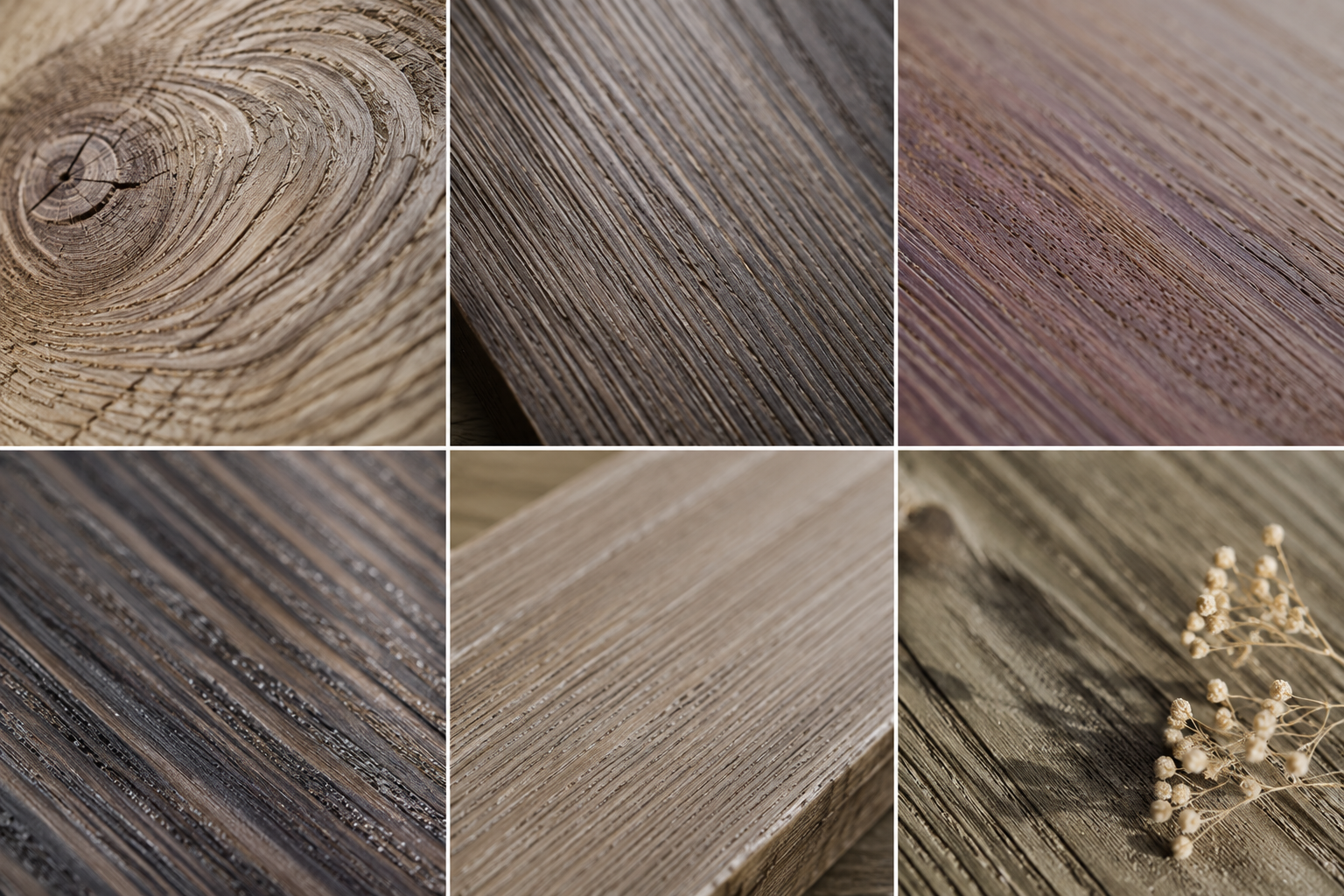
On a smooth surface the effect will be calmer and more even. On brushed wood, softer fibres are partially removed, harder fibres remain, and pores and growth rings become more active visually.
aged wood
vintage surface
modern rustic and soft loft
mediterranean and japandi
natural interior finishing
Brushing helps reveal relief, pores, and natural wood figure
The on-screen shade may differ. Approve colour on the real substrate and through the complete finishing cycle.
How to read the palette
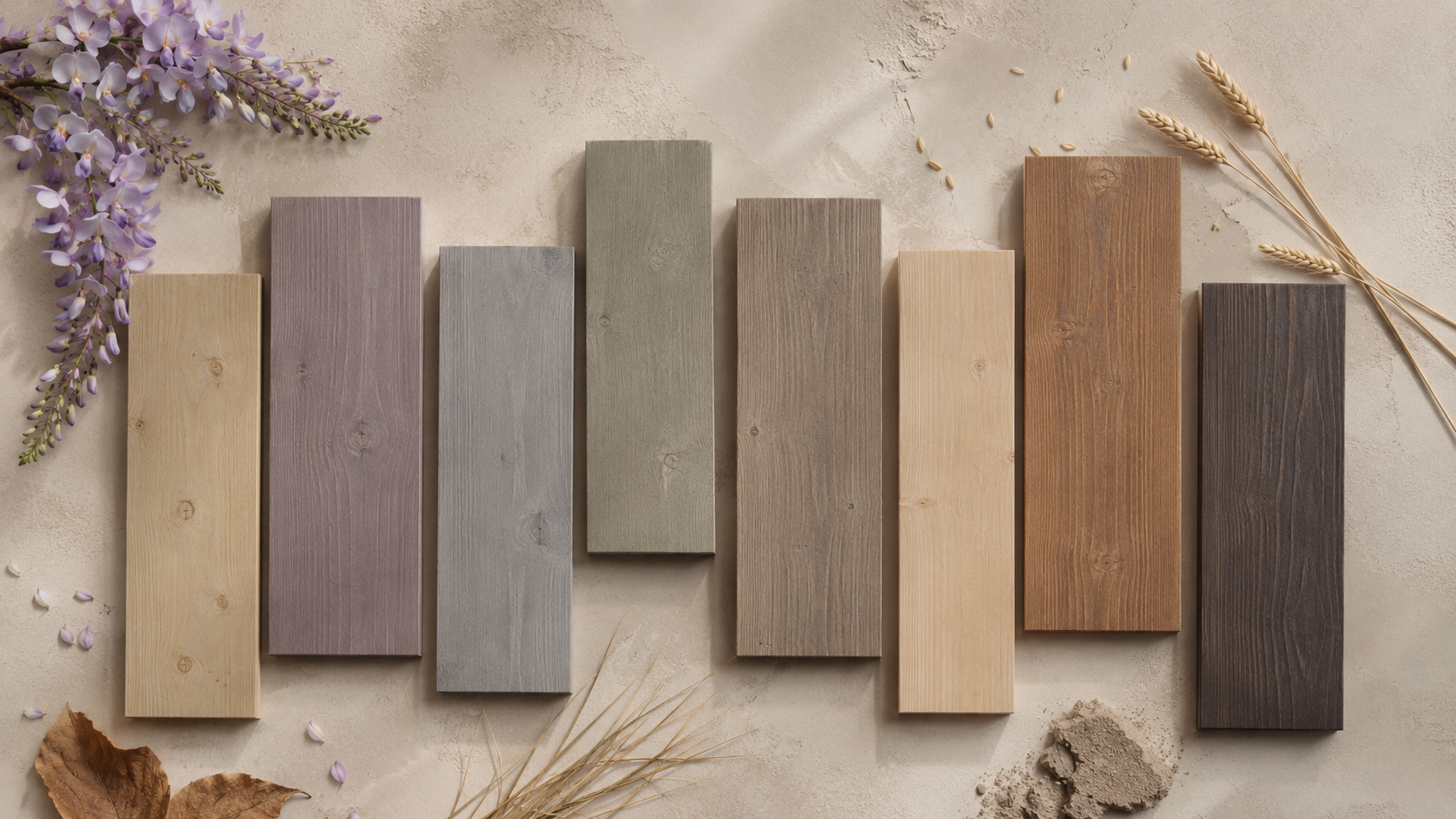
The shade names are more than codes. They set the mood of the palette: wheat, grape, wisteria, lake, peat, clay, ash, hemp, vat, barrel, tobacco, vine.
Spiga and Canapa suit light natural interiors. Cenere, Argilla, and Lago work for grey-beige and mineral directions. Glicine and Vinaccia are more complex designer shades. Tabacco, Botte, Torba, and Vite create warm, deep, vintage surfaces.
Application logic
Antiche Armonie is not a standalone finish. It is the decorative stage inside a coating system. Colour should be evaluated through the full cycle, not by the stain alone.
01Wood preparationLight sanding, dust removal, brushing if needed.02Antiche ArmonieOne spray-applied coat. Indicative consumption: 50-60 g/m².03ARV100 activatorThe next layer after the stain, before acrylic materials.04Acrylic primer / finishSurface protection and final appearance control.
What to test before production
Substrate
Wood species, solid wood or veneer, sanding level, and whether the surface is brushed.
Application
Material consumption, spray evenness, drying time, and shade stability.
Following cycle
ARV100, acrylic primer or finish, final gloss, and colour after complete overcoating.
Conclusion
Antiche Armonie is a stain series for refined aged wood surfaces with a calm interior character. A standard stain gives colour. Antiche Armonie helps create the mood of the surface.