How to get a natural wood effect: stain, primer, and matte lacquer in one system
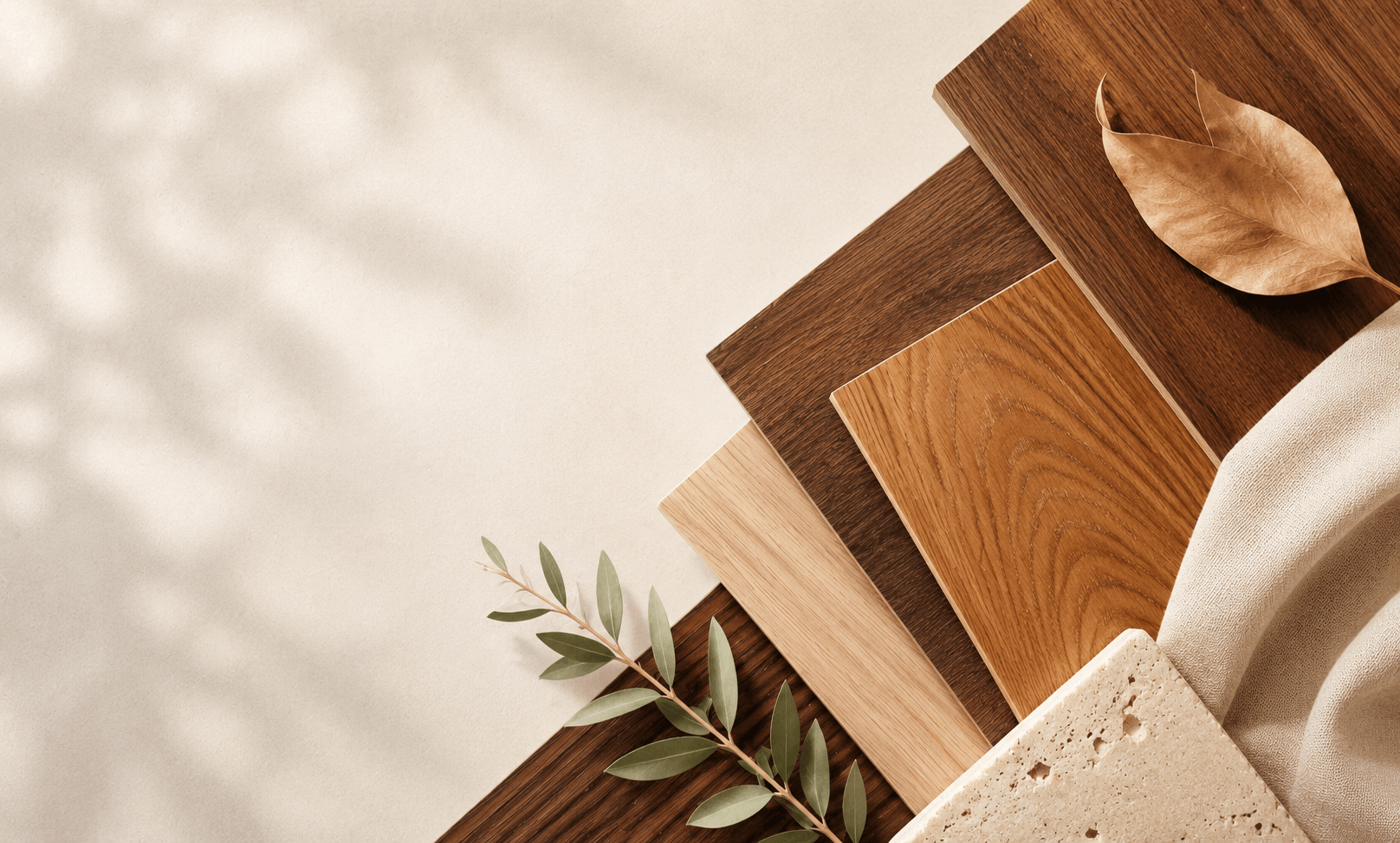
Natural wood shades are back at the centre of interior projects: oak, walnut, ash, calm grey-beige tones, bleached shades leaning toward cocoa, and matte surfaces without excess shine. In real production, though, the natural wood effect often does not look the way the client expected.
1. Why natural wood finishing often fails
Stain can apply unevenly. One front turns out lighter, another darker. The texture can look burnt or dirty. After lacquering, the surface can become too plastic-looking. Instead of living wood, the piece simply looks painted. The problem is that a natural effect cannot be created with one can of stain. It is created by a full finishing cycle: preparation, stain, primer, and topcoat.
2. The solution: NATURAL MATTER + FAC241 + NATURALWOOD BIO
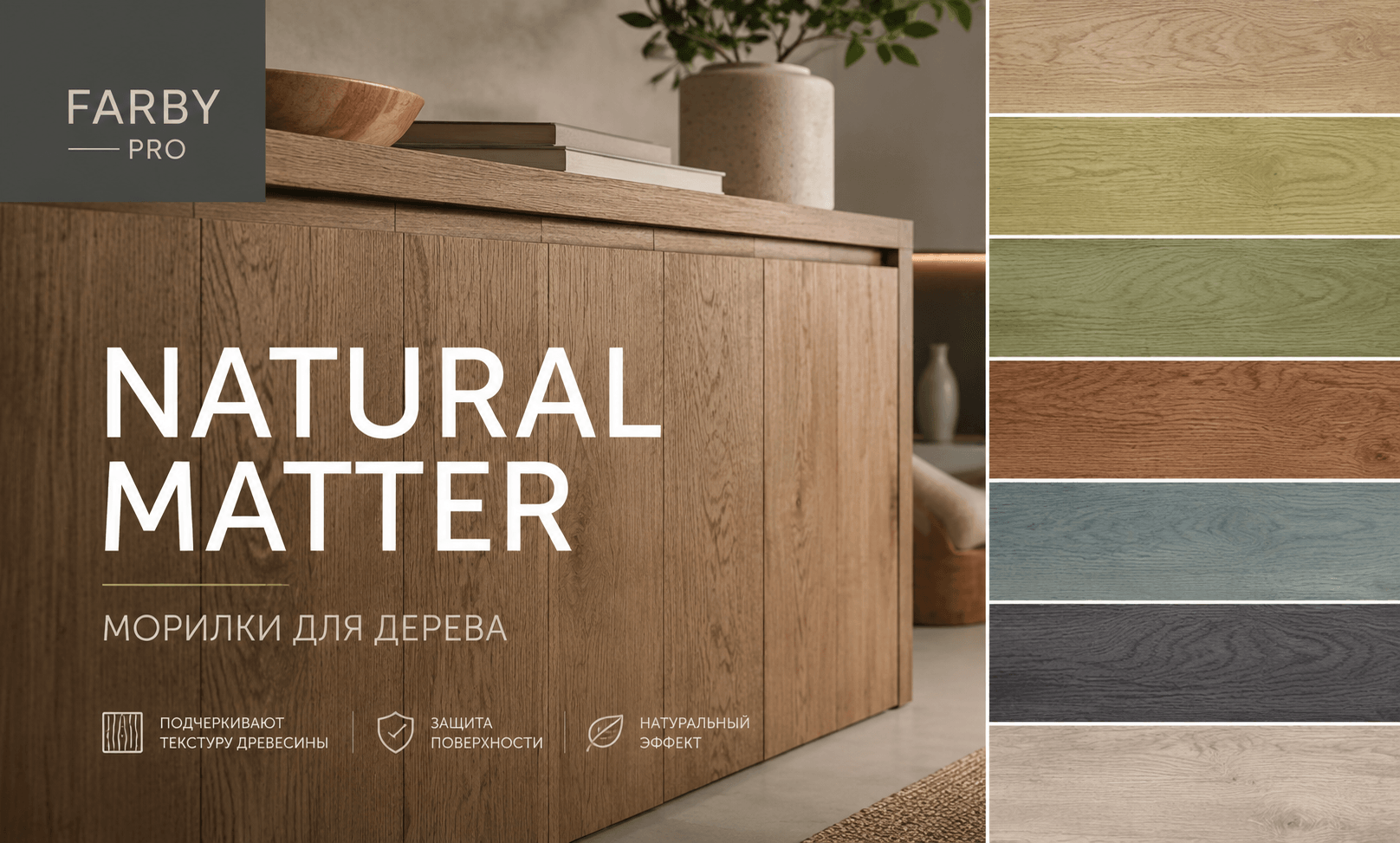
For natural interior finishing, FARBY PRO offers a ready cycle: surface preparation, NATURAL MATTER, FAC241, and NATURALWOOD BIO. This system helps preserve the wood texture, emphasise the pores, and create a calm matte surface without the feel of a thick lacquer film.
The first step is sanding the wood with P150 abrasive. If the surface is prepared incorrectly, the stain immediately reveals scratches, stains, and uneven absorption.
Good preparation makes the result more predictable and reduces the risk of defects.
4. Step 2. NATURAL MATTER stain
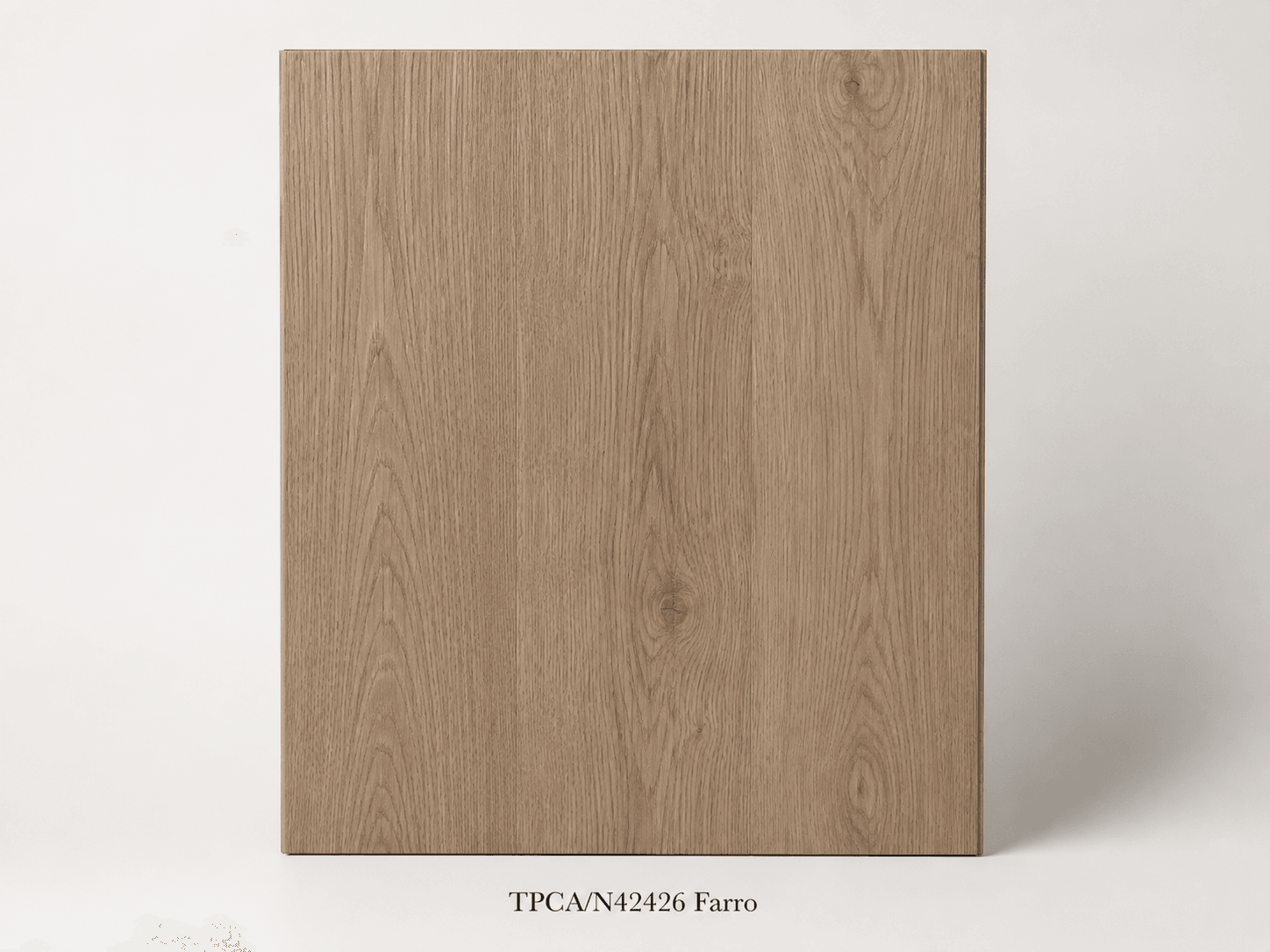
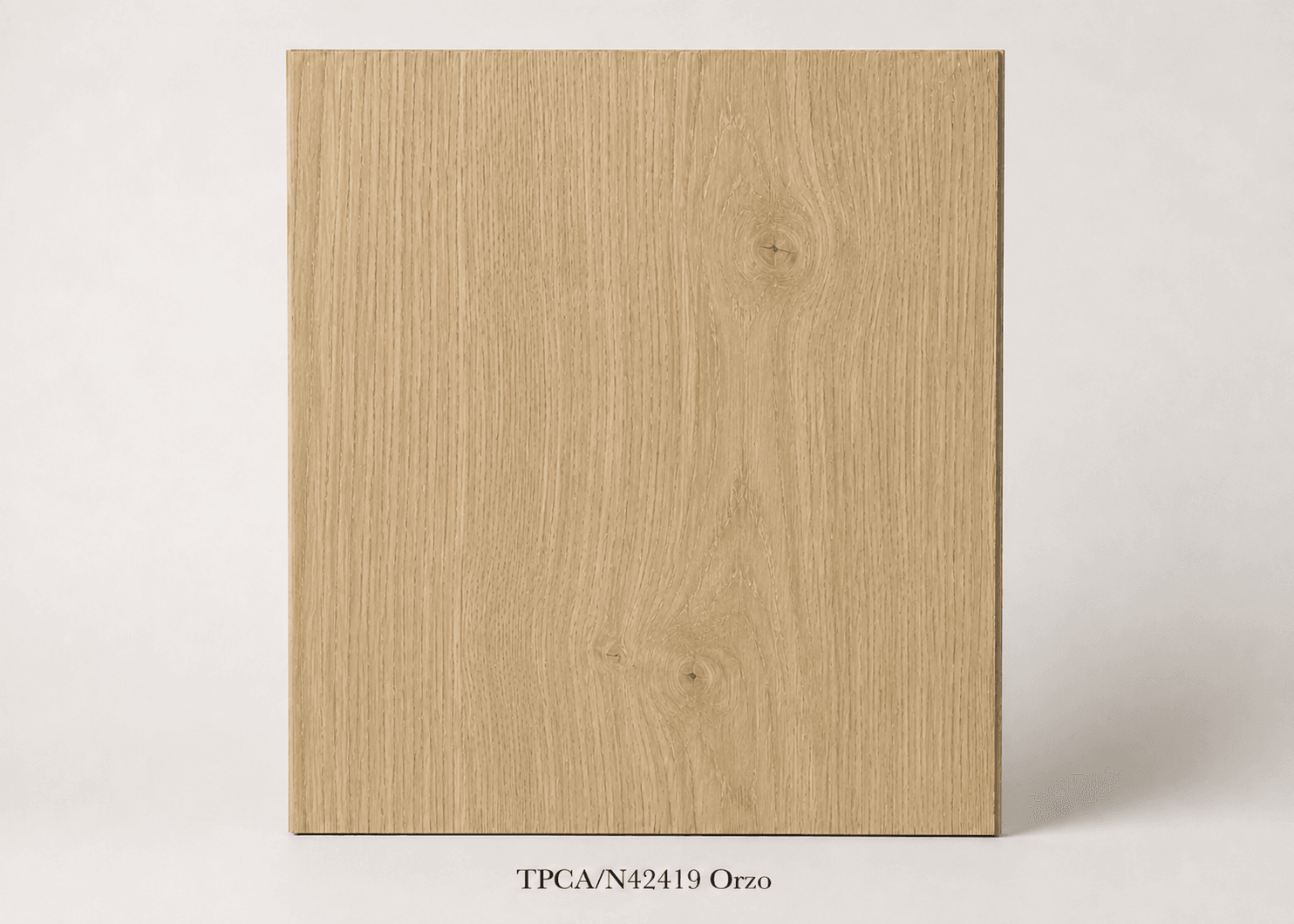
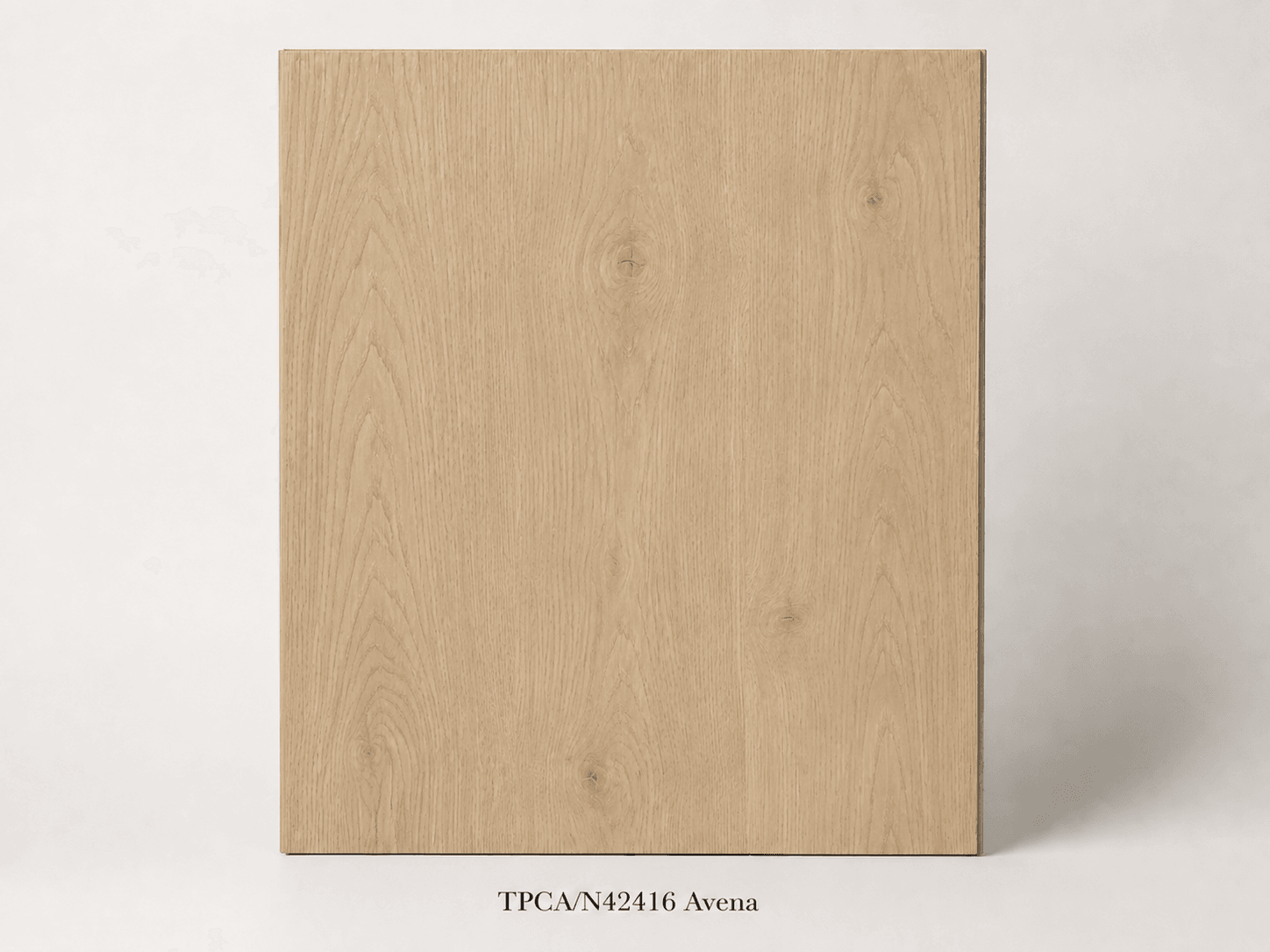
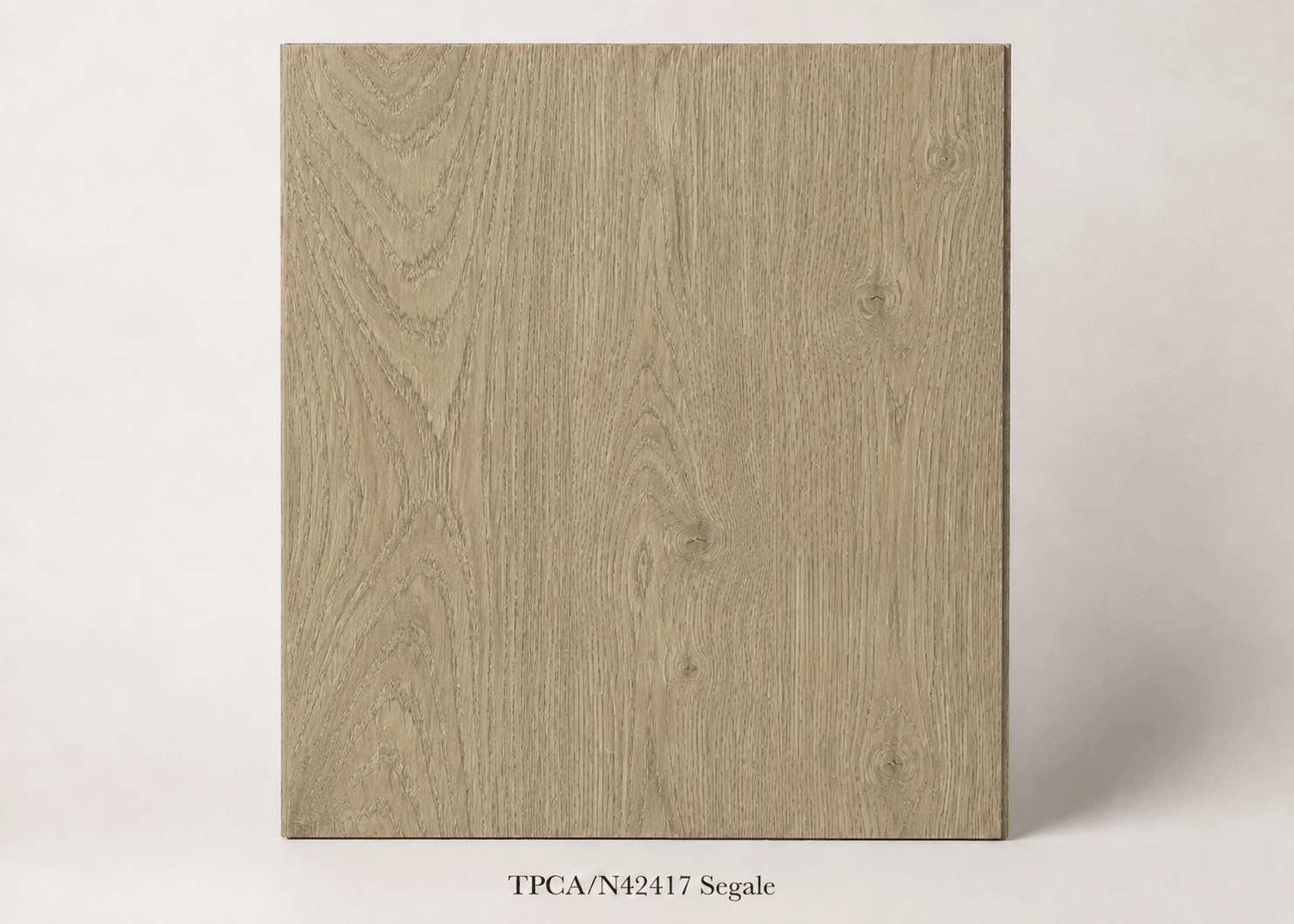
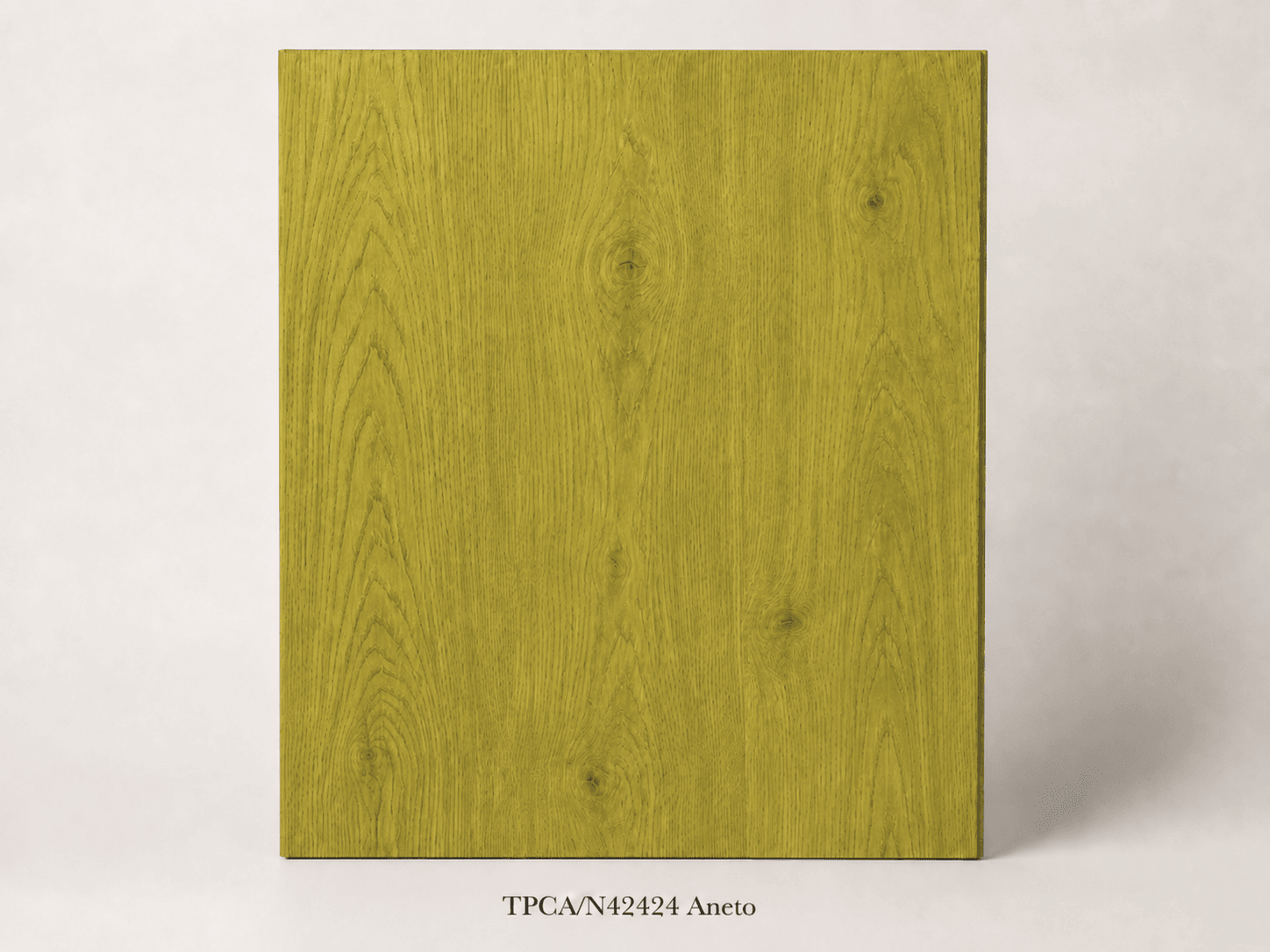
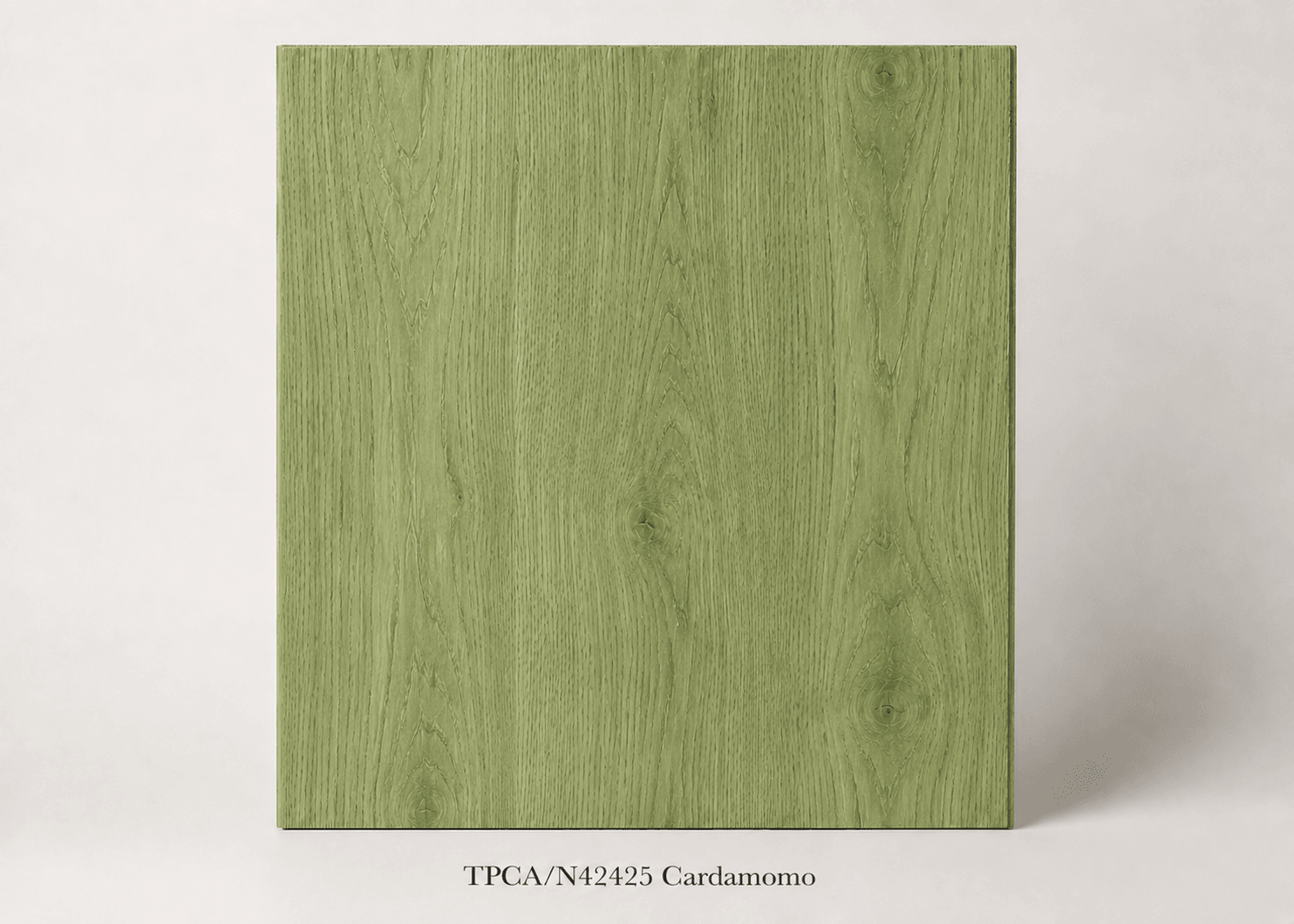
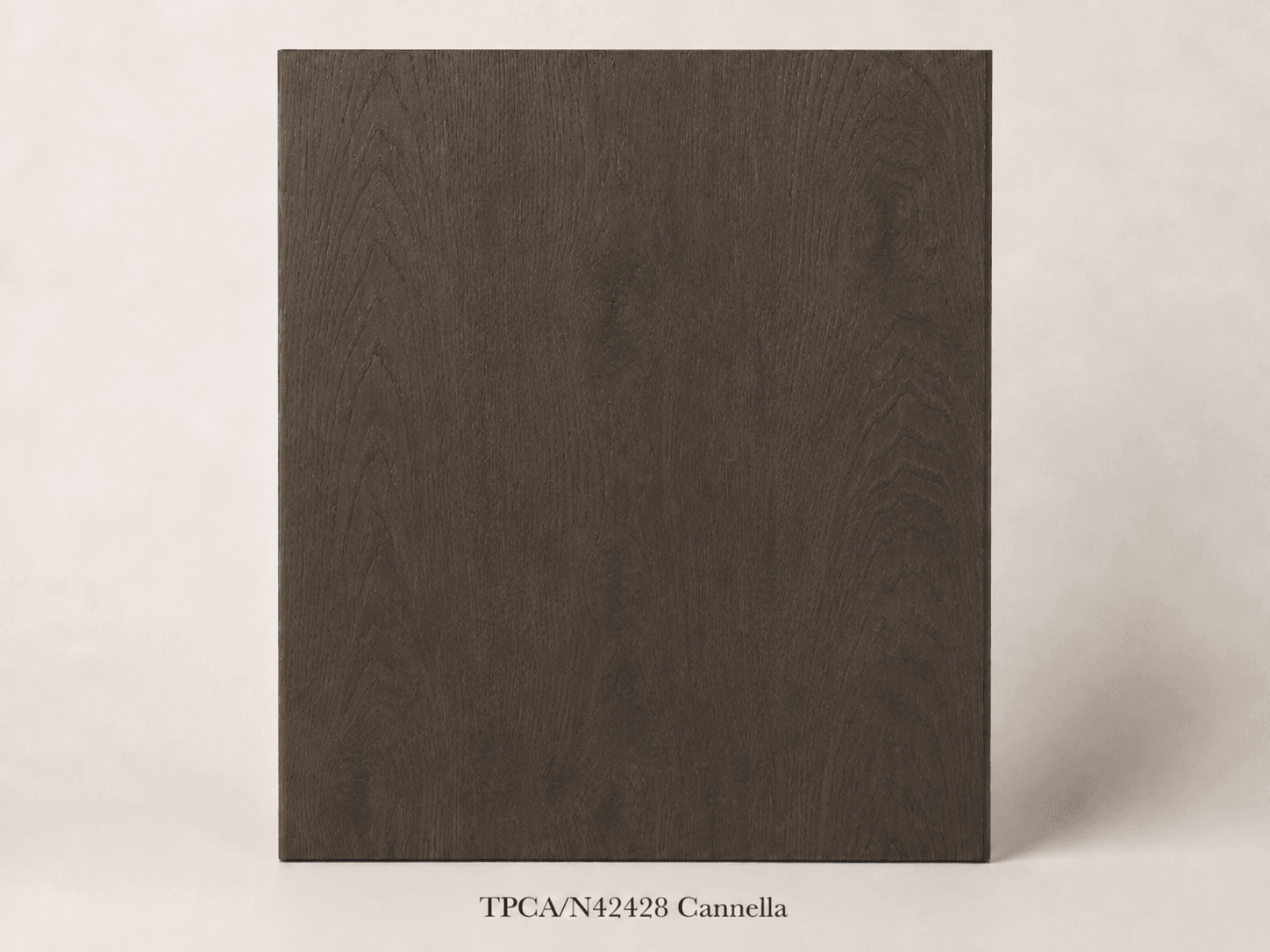
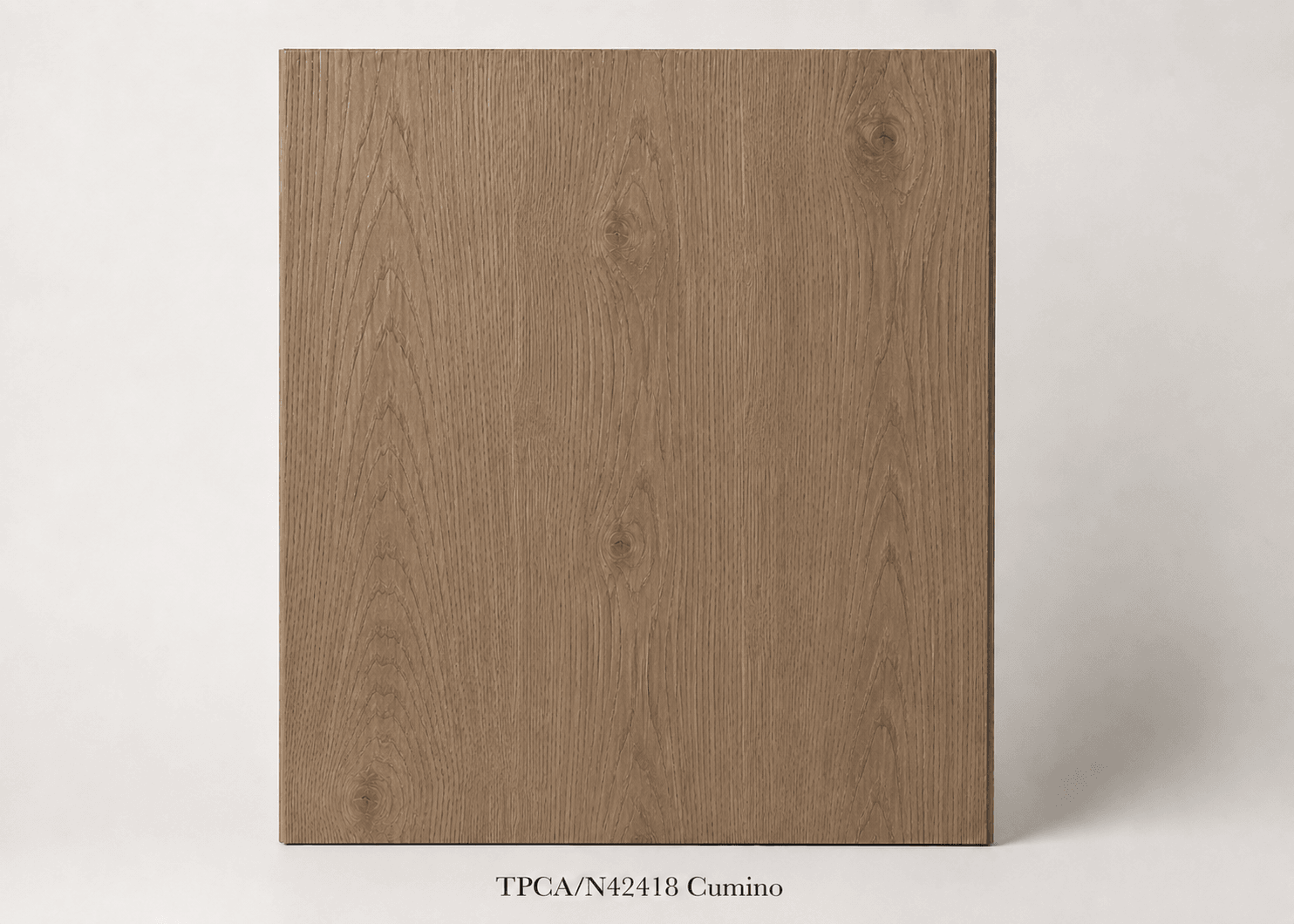
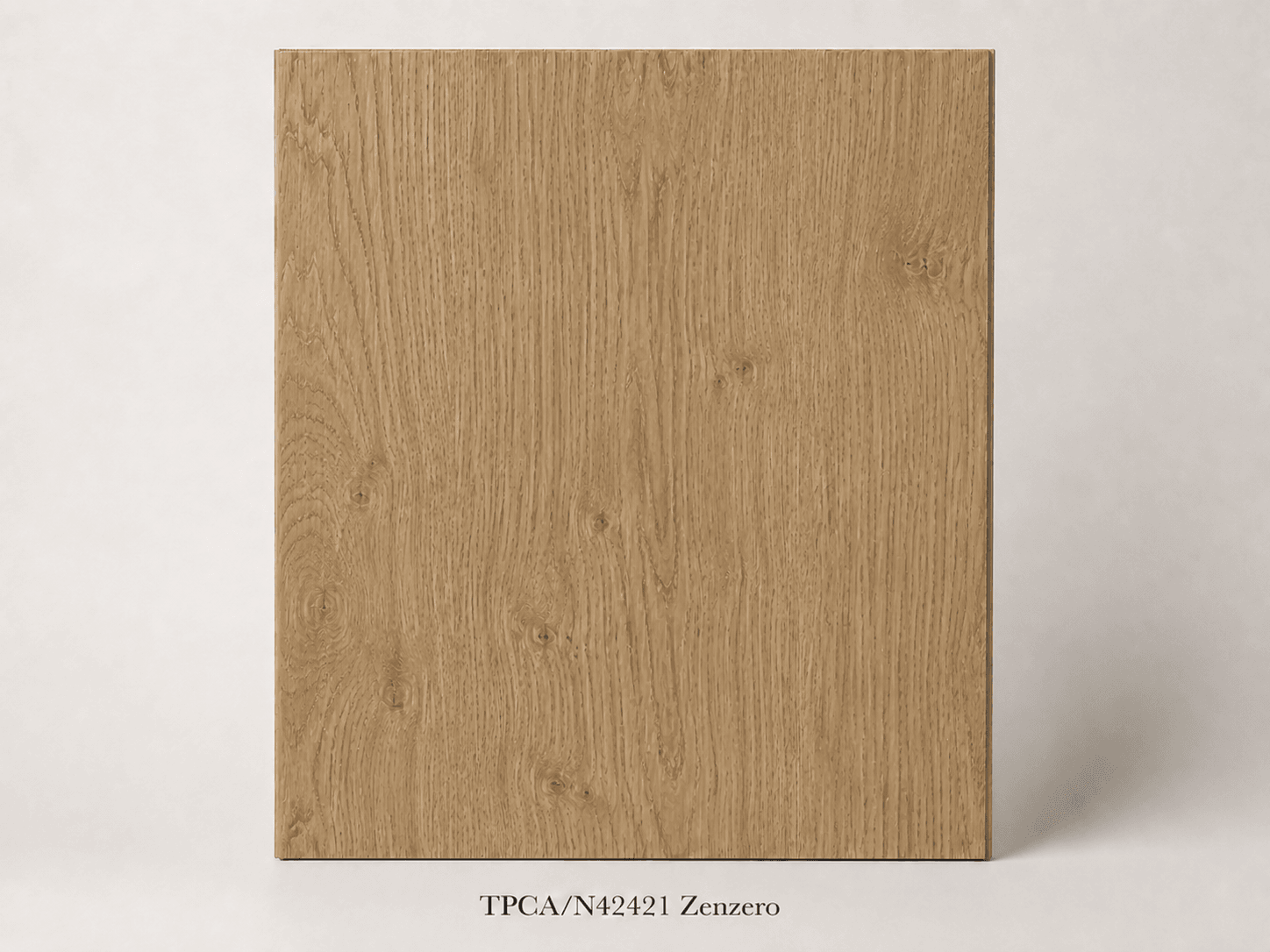
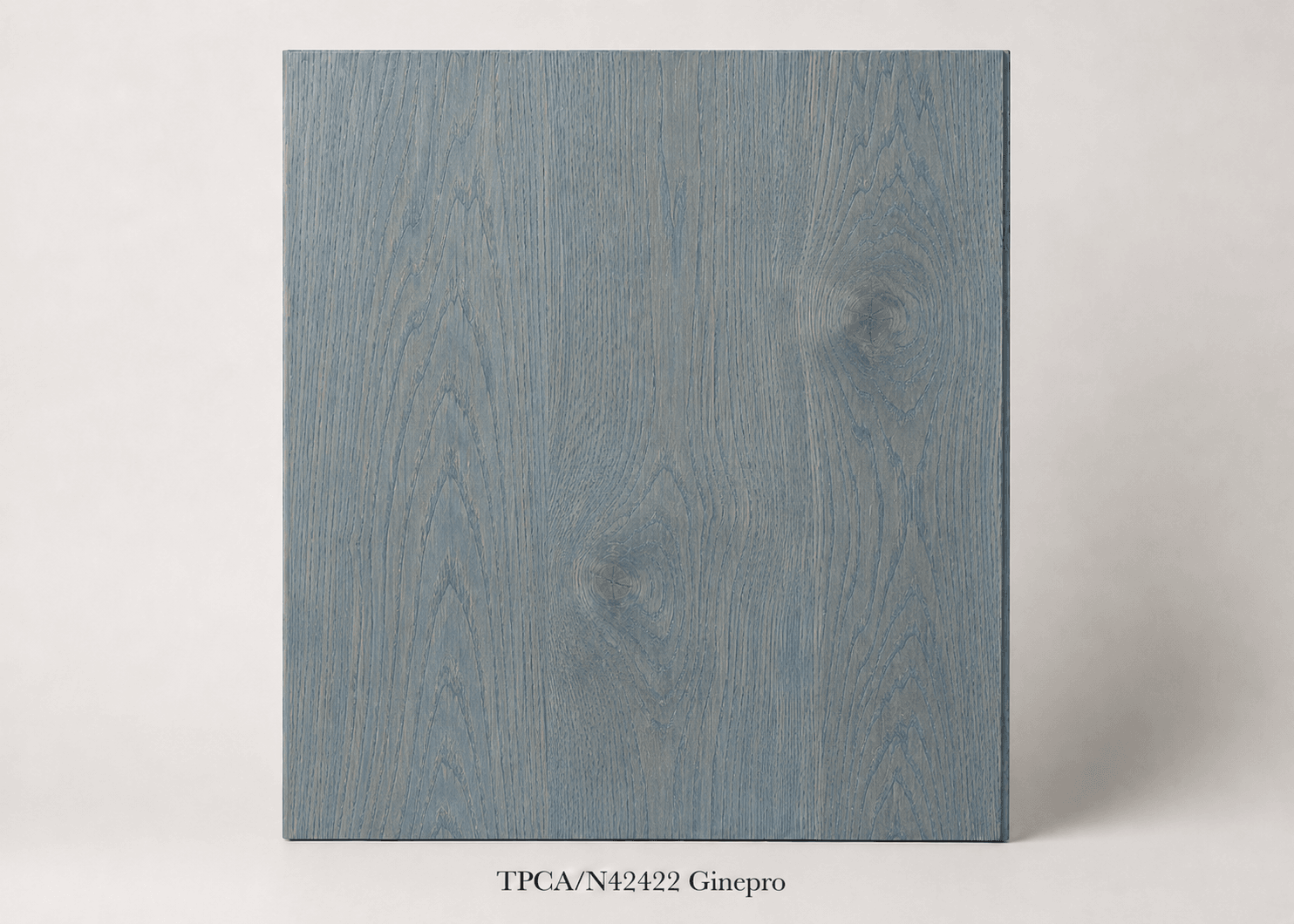
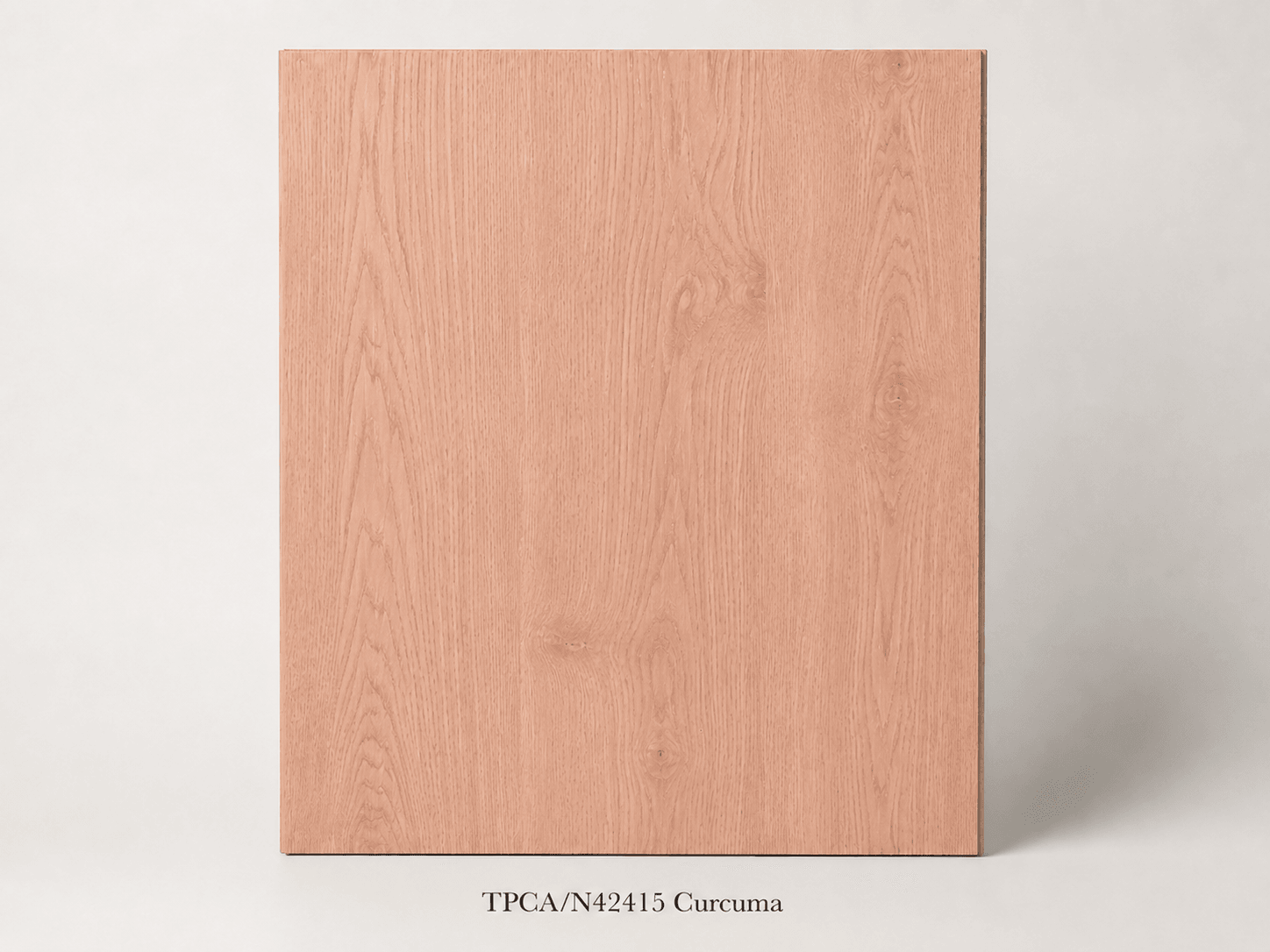
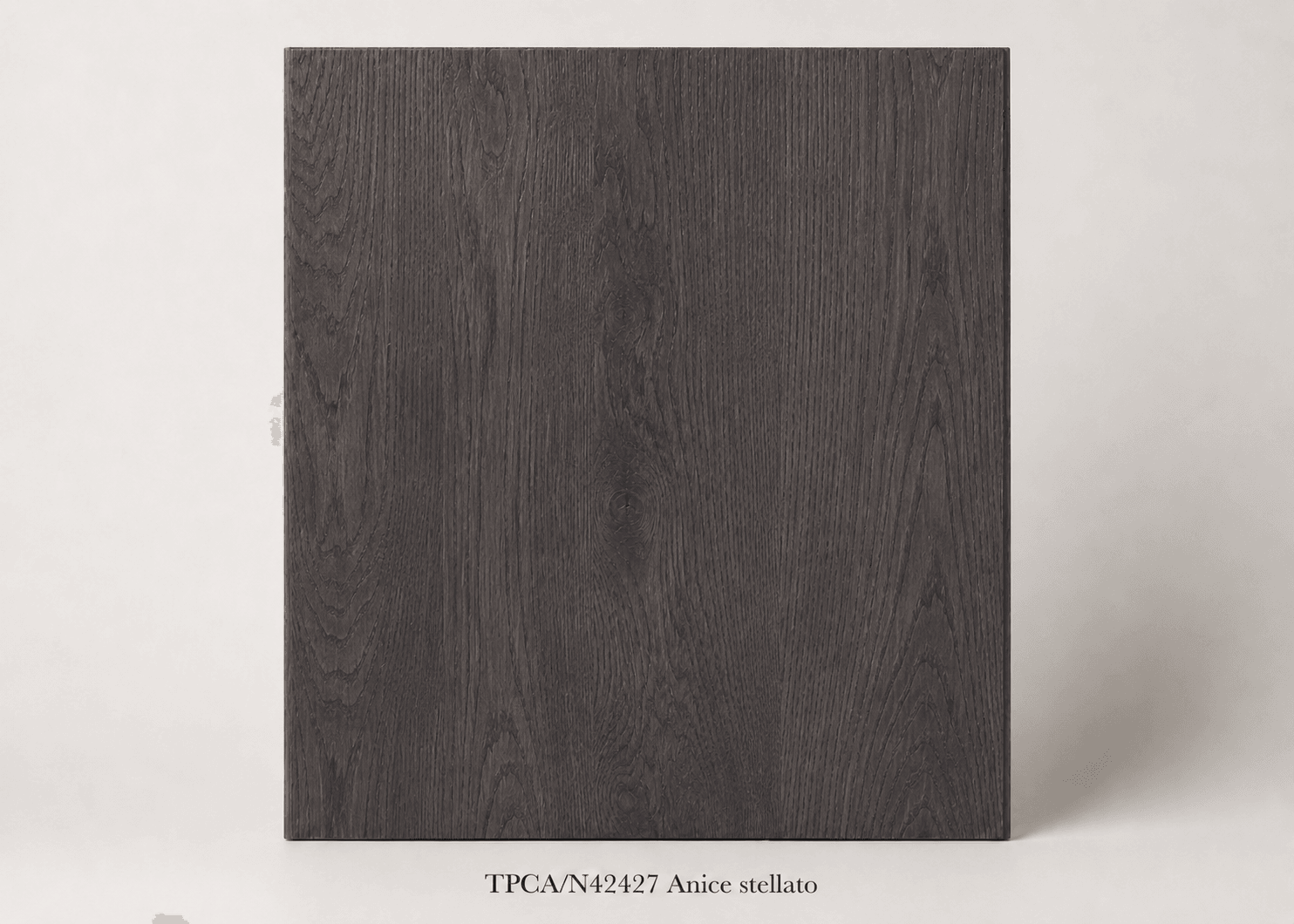
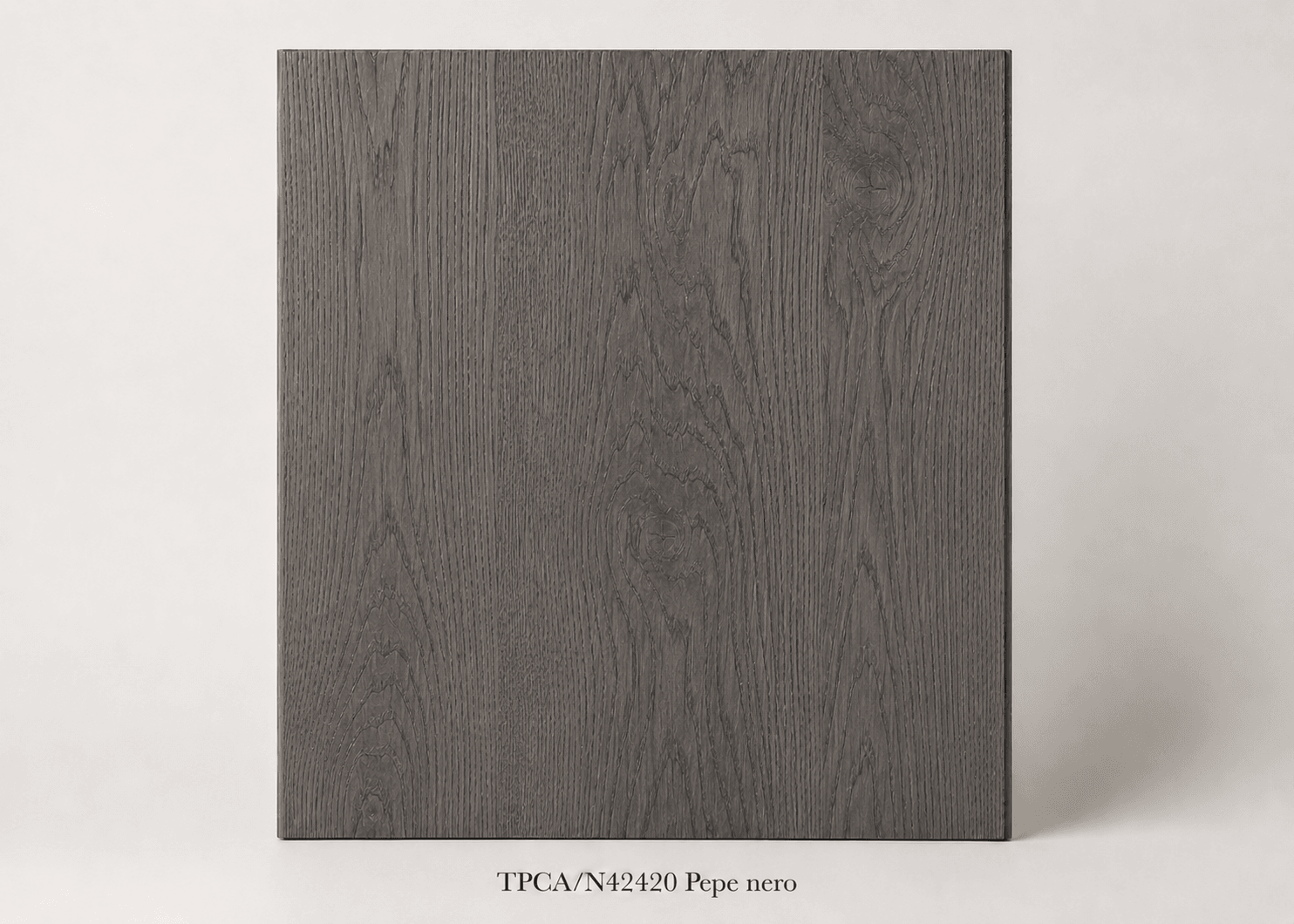
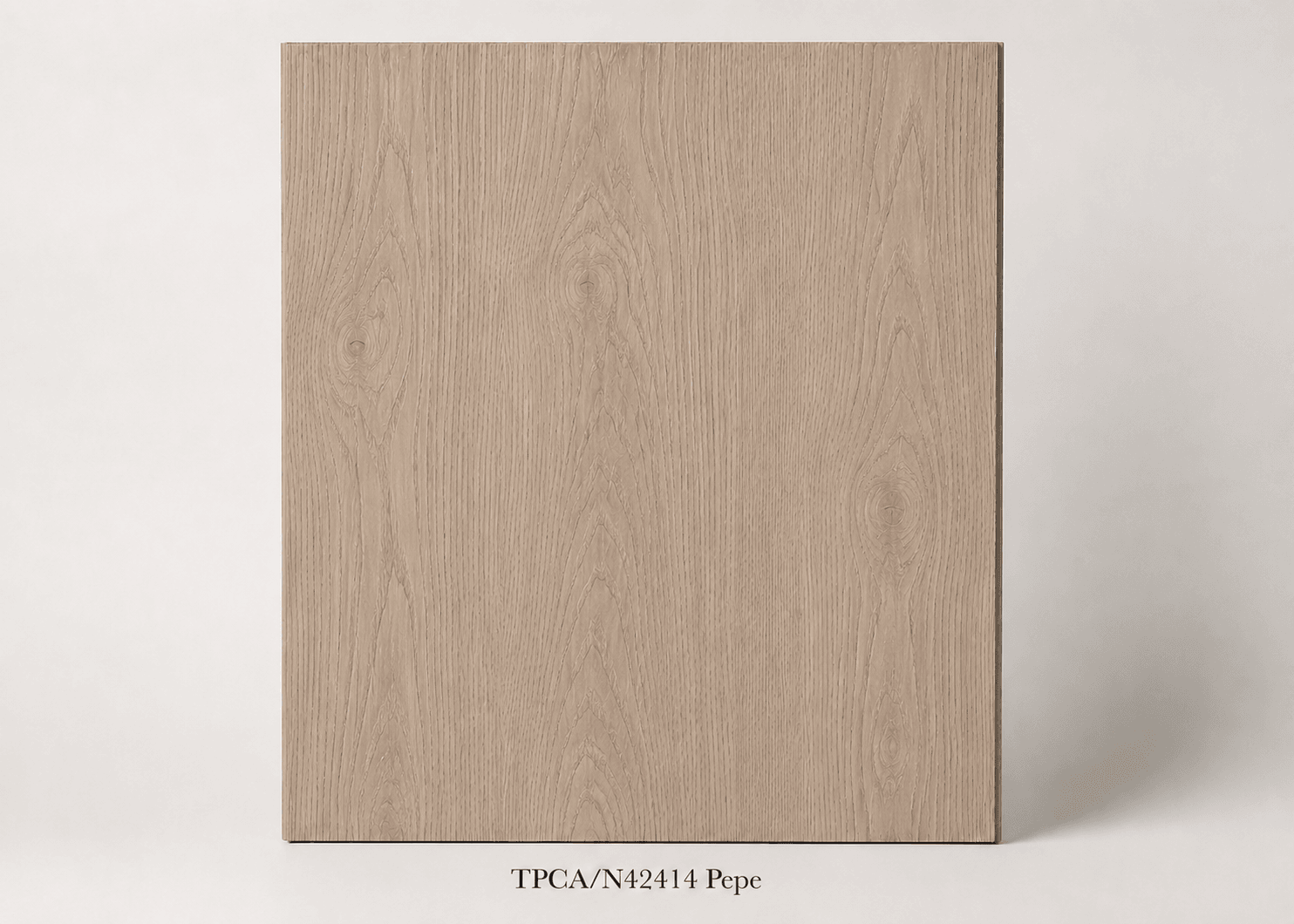
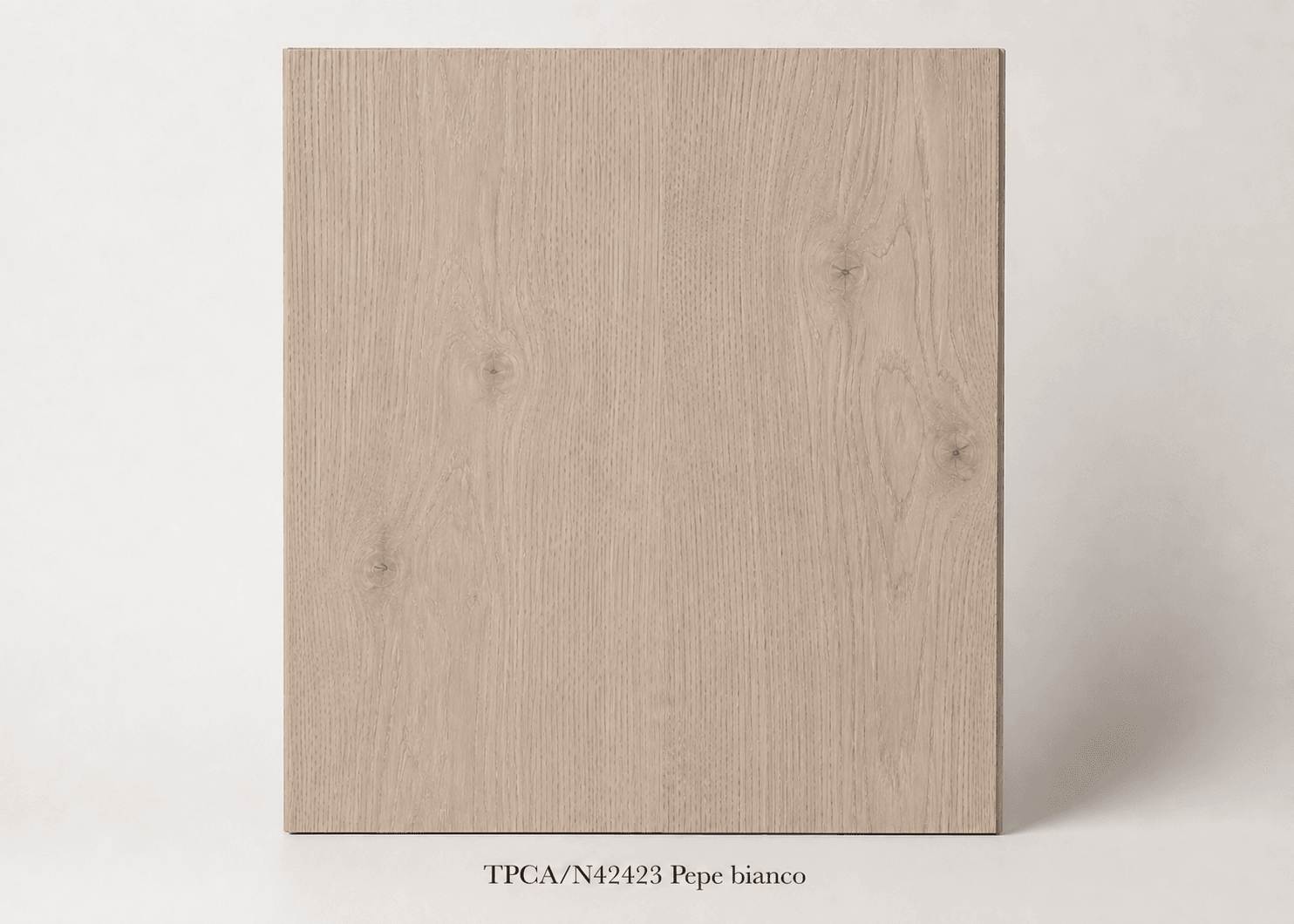
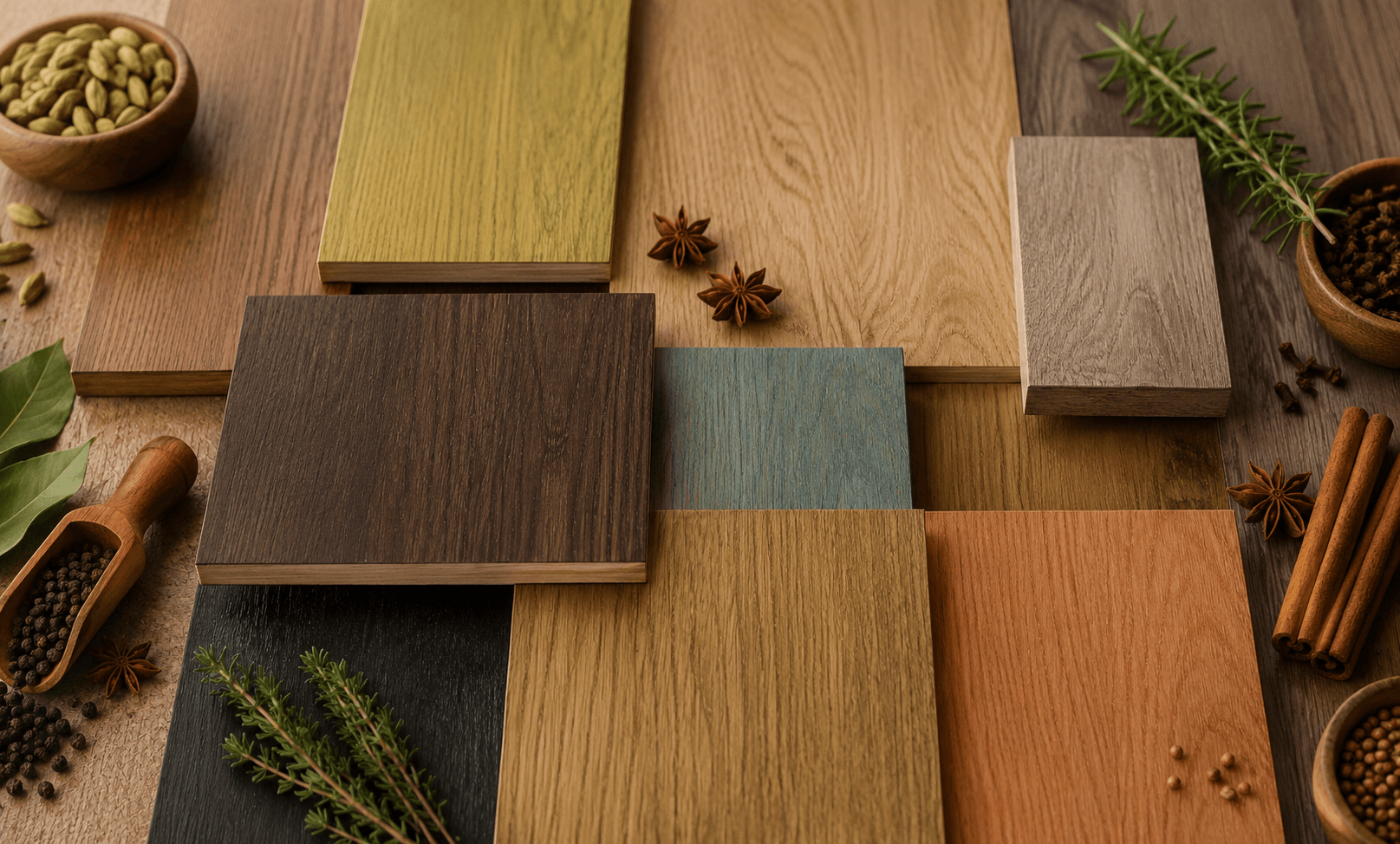
NATURAL MATTER is responsible for the colour, depth, and natural character of the surface. The shades are inspired by natural colours: grains, spices, warm wood tones, and calm grey-beige hues.
The shades can be used separately or mixed together to create an individual colour for a project, furniture collection, or interior.
The key feature of NATURAL MATTER is a special binder that helps the stain distribute evenly across the wood. The surface looks natural, without a burnt-wood effect, dirty cast, or rough artificial colouring.
Screen colours may differ from the real finish. The final colour must be confirmed with a sample on the actual substrate.
5. Step 3. FAC241 clear primer
After staining, FAC241 clear acrylic primer is applied. It stabilizes the stained surface, prepares it for the topcoat, and helps preserve a clean final appearance.
After drying, intercoat sanding with P400 is performed. For production this step is especially important: it makes the system more repeatable and reduces random variation from batch to batch.
6. Step 4. NATURALWOOD BIO matte lacquer
The finishing layer is NATURALWOOD BIO. It is a clear matte lacquer for cases where the natural look of wood must be preserved without a plastic feel.
The surface becomes calm, deeply matte, pleasant to the touch, and visually close to untreated natural wood.
7. When an even more natural tactile effect is needed
Sometimes the client wants the wood not only to look natural, but also to feel natural to the touch. For these tasks, special texture additives can be added to the system.
They create a light imitation of natural surface roughness and can increase scratch resistance.
8. What problems the system solves
For production
Helps reduce stains, colour variation, unstable colour, and rework. Instead of constant experiments, production gets a clear technological cycle.
For the designer
Makes it possible to select a natural wood shade for the project and avoid a cheap painted-wood effect.
For the client
The product looks more expensive, feels better, and keeps the natural character of wood after the topcoat.
9. Where to use the system
The system is suitable for interior products made from oak, walnut, ash, veneer, and other wood species.
furniture fronts
veneered panels
interior doors
wall panels
tables and interior details
decorative elements for private and commercial interiors
For worktops, working surfaces, and high-load zones, the topcoat is selected separately.
10. Conclusion
A natural wood effect comes from the whole coating cycle. It is a system where every stage affects the result: sanding, stain, clear primer, intercoat treatment, and matte finishing lacquer.
FARBY PRO offers ready solutions exactly in this format: not a separate can, but a technological cycle that helps the manufacturer create a stable, natural, commercially strong surface. The client does not buy a stain - the client buys a product that looks natural, premium, and repeatable in production.